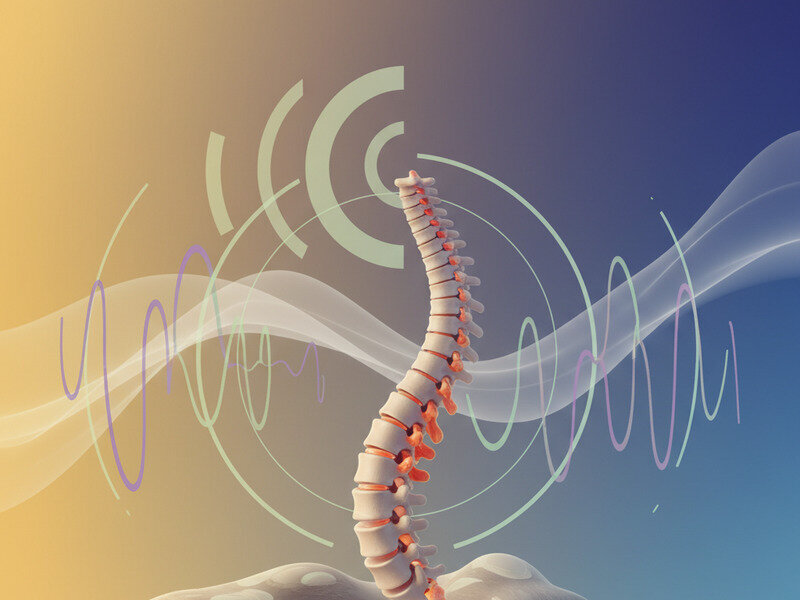
Ankylosing spondylitis (AS) is a chronic inflammatory disease primarily affecting the spine and sacroiliac joints, leading to pain and stiffness. While the exact cause of AS is not fully understood, genetic and environmental factors are known to play significant roles. Among the various factors that can influence the symptoms of ankylosing spondylitis, circadian rhythm disruptions have gained attention in recent years. Understanding how these disruptions impact AS symptoms requires a closer look at both circadian rhythms and the pathophysiology of AS.
Understanding Circadian Rhythms
Circadian rhythms are natural, internal processes that follow a roughly 24-hour cycle, influencing various physiological functions such as sleep-wake cycles, hormone release, and metabolism. These rhythms are regulated by the suprachiasmatic nucleus (SCN) in the hypothalamus, which acts as the body's master clock. The SCN receives information about light exposure from the eyes and uses this input to synchronize the body's internal clocks with the external environment.
Disruptions to circadian rhythms can occur due to various factors such as shift work, travel across time zones, irregular sleep p...
Premium preview
Premium members unlock the full article—complete step-by-step routines, deeper coaching notes, and exclusive frameworks.