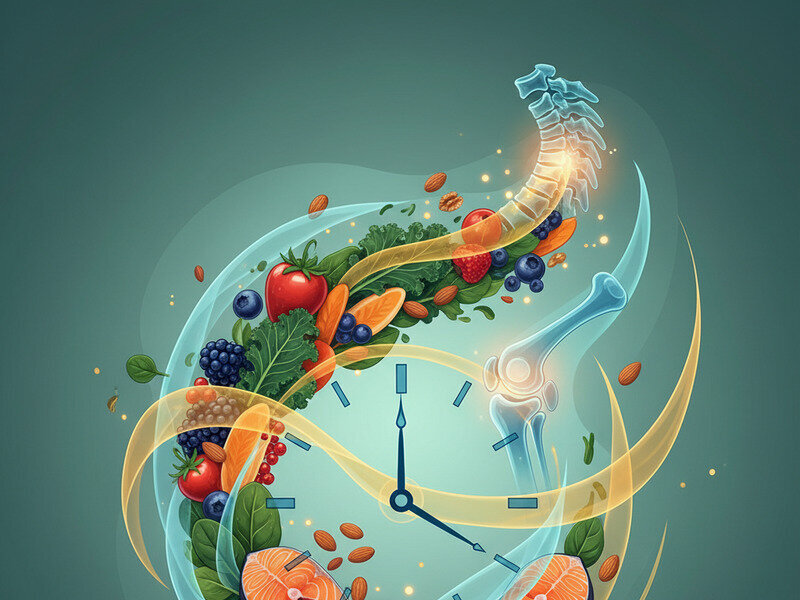
Intermittent fasting (IF) and anti-inflammatory diets have individually gained popularity for their potential health benefits. While each approach offers distinct advantages, combining them may enhance their effects, particularly in reducing inflammation and promoting overall health. Understanding how these dietary strategies work together requires a clear examination of their mechanisms, benefits, and potential challenges.
Understanding Intermittent Fasting
Intermittent fasting is a dietary pattern that cycles between periods of eating and fasting. Unlike traditional diets that focus on what to eat, IF emphasizes when to eat. The most common methods include the 16/8 method, where individuals fast for 16 hours and eat during an 8-hour window, and the 5:2 method, which involves eating normally for five days and restricting calorie intake on two non-consecutive days.
The primary mechanism through which IF benefits health is by mimicking the natural eating patterns of our ancestors, who did not have constant access to food. This periodic fasting can lead to metabolic changes such as improved insulin sensitivity, increased fat oxidation, and enhanced autophagy—a process where the...
Premium preview
Premium members unlock the full article—complete step-by-step routines, deeper coaching notes, and exclusive frameworks.