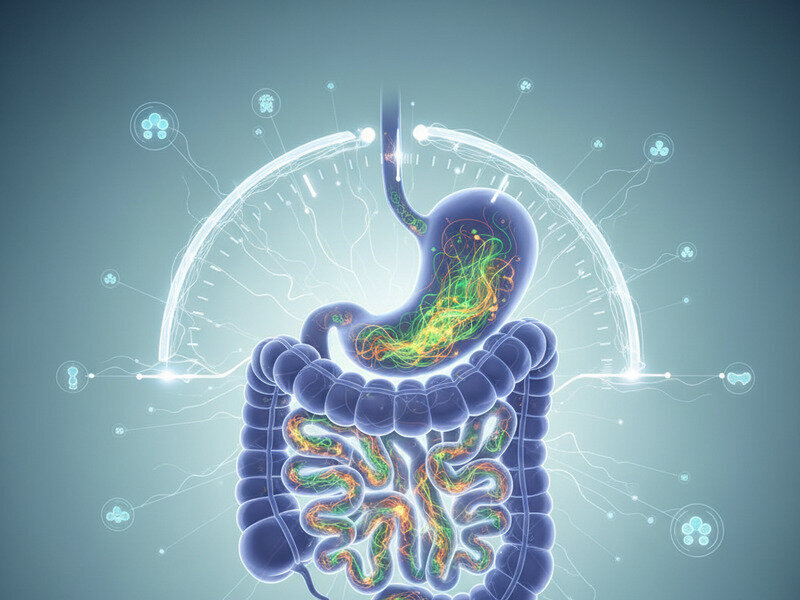
Intermittent fasting (IF) has gained popularity as a dietary approach for weight loss and improved metabolic health. However, its potential effects on the gut microbiome—a complex community of microorganisms residing in our digestive tract—are less well-known but increasingly intriguing to researchers. Understanding whether intermittent fasting can reset or beneficially alter the gut microbiome involves delving into the interplay between dietary patterns, microbial diversity, and overall health.
The gut microbiome plays a crucial role in human health, influencing digestion, immune function, and even mood and behavior. It consists of trillions of bacteria, viruses, fungi, and other microorganisms that coexist symbiotically within the gastrointestinal tract. The composition and diversity of these microbial communities can be affected by various factors, including diet, antibiotics, stress, and lifestyle choices.
The Role of Diet in Shaping the Gut Microbiome
Diet is one of the most significant factors influencing the gut microbiome. Different dietary patterns can lead to distinct microbial compositions. For instance, high-fiber diets rich in fruits, vegetables, and whole grai...
Premium preview
Premium members unlock the full article—complete step-by-step routines, deeper coaching notes, and exclusive frameworks.