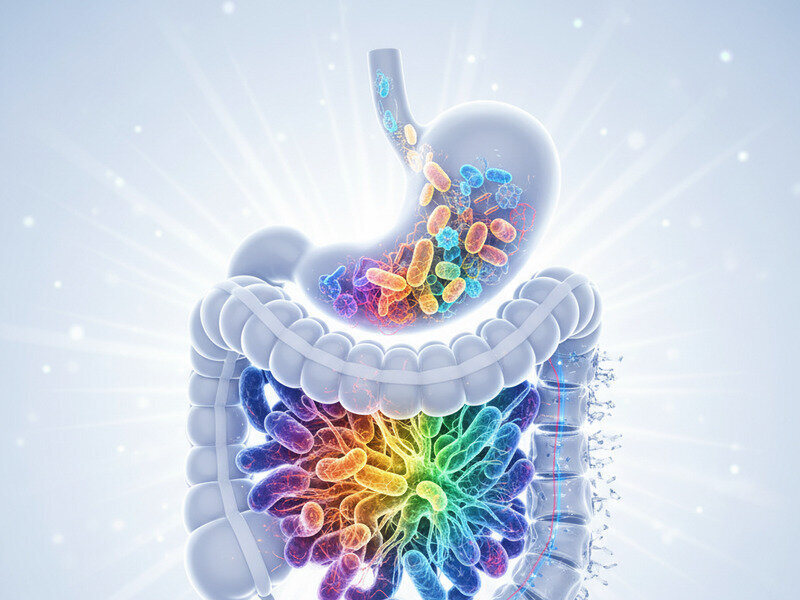
The human gut is a complex ecosystem that plays a crucial role in overall health. It is home to trillions of microorganisms, collectively known as the gut microbiota, which help in digesting food, producing vitamins, and protecting against harmful pathogens. However, when the balance of these microorganisms is disrupted, it can lead to an unhealthy gut. Recognizing the early signs of an unhealthy gut is essential for preventing more serious health issues.
One of the most common early signs of an unhealthy gut is digestive discomfort. This can manifest as bloating, gas, diarrhea, constipation, or heartburn. These symptoms occur when the gut microbiota is imbalanced, leading to improper digestion and absorption of nutrients. For instance, a study published in the journal Gut found that individuals with irritable bowel syndrome (IBS) often have altered gut microbiota compared to healthy individuals.
Another indicator of an unhealthy gut is unexpected weight changes. An imbalanced gut can impair the body's ability to absorb nutrients, regulate blood sugar, and store fat. This can result in either weight gain or loss without any significant changes in diet or exercise. Research i...
Premium preview
Premium members unlock the full article—complete step-by-step routines, deeper coaching notes, and exclusive frameworks.