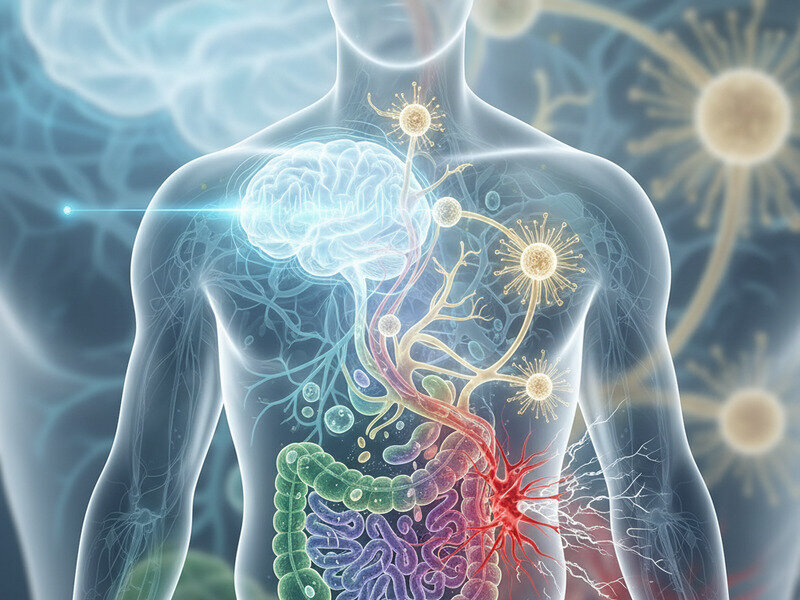
In recent years, the intricate relationship between the gut, brain, and immune system has garnered significant attention in both scientific research and public discourse. This triad, often referred to as the gut-brain-immune axis, highlights how these systems communicate and influence each other. Understanding this connection is crucial, particularly in the context of stress, which can profoundly affect the microbiome—the community of microorganisms living in our intestines.
The gut microbiome is a complex ecosystem composed of trillions of bacteria, viruses, fungi, and other microorganisms. These microbes play a vital role in digestion, nutrient absorption, and the synthesis of essential vitamins. More intriguingly, they are also involved in modulating our immune system and influencing brain function. The gut-brain-immune axis operates through a bidirectional communication network that includes neural, hormonal, and immunological pathways.
The Role of the Gut Microbiome
The gut microbiome is essential for maintaining homeostasis within the body. It helps in breaking down complex carbohydrates, synthesizing vitamins like B12 and K, and protecting against pathogenic bacteria...
Premium preview
Premium members unlock the full article—complete step-by-step routines, deeper coaching notes, and exclusive frameworks.