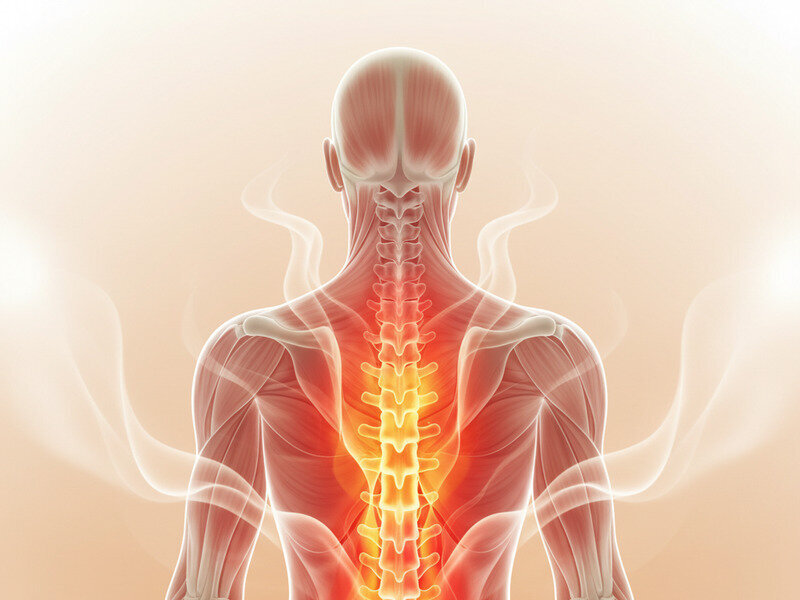
Heat therapy, also known as thermotherapy, is a widely used treatment method for various types of pain and discomfort. Its primary purpose is to increase blood flow to a specific area, which can help relax muscles, alleviate pain, and promote healing. Understanding when and how to use heat therapy effectively can significantly enhance its benefits and minimize potential risks.
To begin with, it is essential to differentiate between heat therapy and cold therapy, as they are often used interchangeably but serve different purposes. Heat therapy is generally used for chronic conditions or muscle stiffness, while cold therapy is more suitable for acute injuries or inflammation. This distinction is crucial because applying the wrong type of therapy can potentially exacerbate the condition.
Understanding the Mechanism of Heat Therapy
The primary mechanism through which heat therapy works is vasodilation. When heat is applied to an area, it causes the blood vessels to expand, increasing blood flow. This enhanced circulation delivers more oxygen and nutrients to the affected area, promoting healing and reducing pain. Additionally, heat can help relax and loosen tissues, making it p...
Premium preview
Premium members unlock the full article—complete step-by-step routines, deeper coaching notes, and exclusive frameworks.