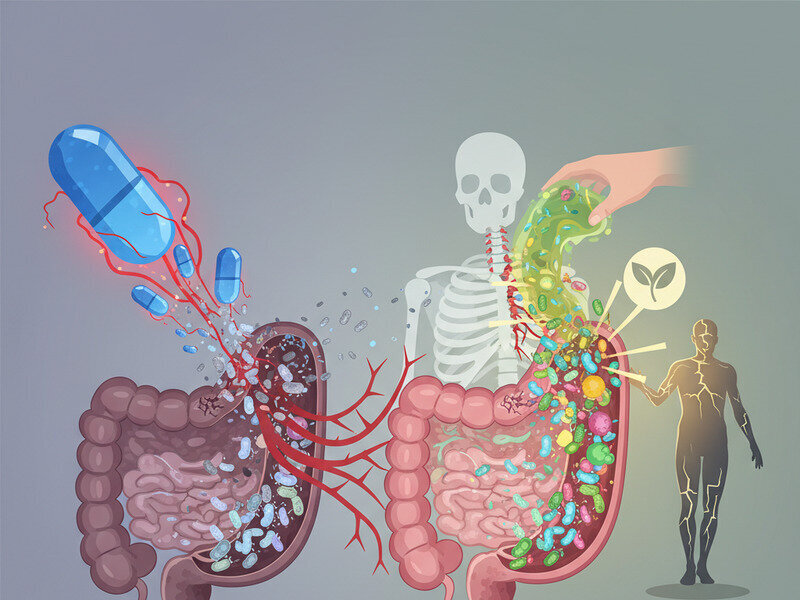
Antibiotics have revolutionized modern medicine, providing effective treatment for bacterial infections that were once life-threatening. However, their use is not without consequences. One of the most significant impacts of antibiotics is on gut health. Understanding how antibiotics disrupt the gut microbiome and exploring strategies for recovery is crucial for maintaining overall well-being.
The Role of the Gut Microbiome
The gut microbiome is a complex community of trillions of microorganisms, including bacteria, viruses, fungi, and other microbes, residing in the digestive tract. These microorganisms play a vital role in various bodily functions, such as digestion, immune system regulation, and even mental health. A healthy gut microbiome is characterized by a diverse and balanced microbial population.
Research has shown that the gut microbiome influences many aspects of health. For instance, certain bacteria help break down complex carbohydrates into simpler forms that the body can absorb. Others are involved in synthesizing vitamins like B12 and K, which are essential for blood clotting and energy production. Furthermore, the gut microbiome interacts with the immune sy...
Premium preview
Premium members unlock the full article—complete step-by-step routines, deeper coaching notes, and exclusive frameworks.