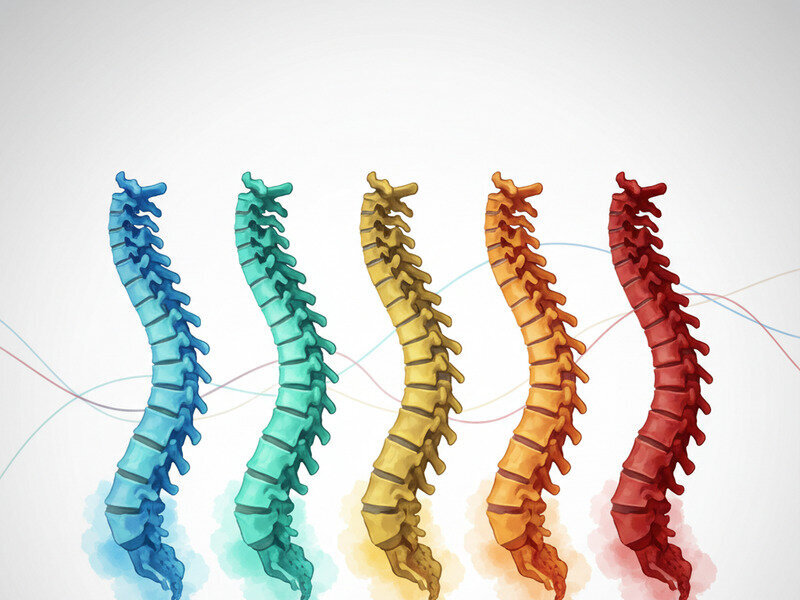
Ankylosing Spondylitis (AS) is a chronic inflammatory disease primarily affecting the spine and sacroiliac joints, leading to pain and stiffness. Understanding how AS progresses over time is crucial for managing the disease effectively and improving patient outcomes. This article delves into the biological timeline of AS, exploring its onset, progression, and long-term effects on the body.
The onset of AS typically occurs in late adolescence or early adulthood, with most patients experiencing initial symptoms between the ages of 15 and 30. The early signs often include chronic back pain and stiffness, particularly in the lower back and buttocks. These symptoms are usually more pronounced in the morning or after periods of inactivity. The inflammatory nature of AS means that these symptoms can improve with physical activity but worsen with rest.
The Early Stages: Inflammation and Pain
In the initial stages of AS, inflammation is the primary driver of symptoms. This inflammation occurs at the entheses, which are the sites where ligaments and tendons attach to bone. The inflammation leads to pain and stiffness, which are hallmark features of AS. Over time, if left untreated, t...
Premium preview
Premium members unlock the full article—complete step-by-step routines, deeper coaching notes, and exclusive frameworks.