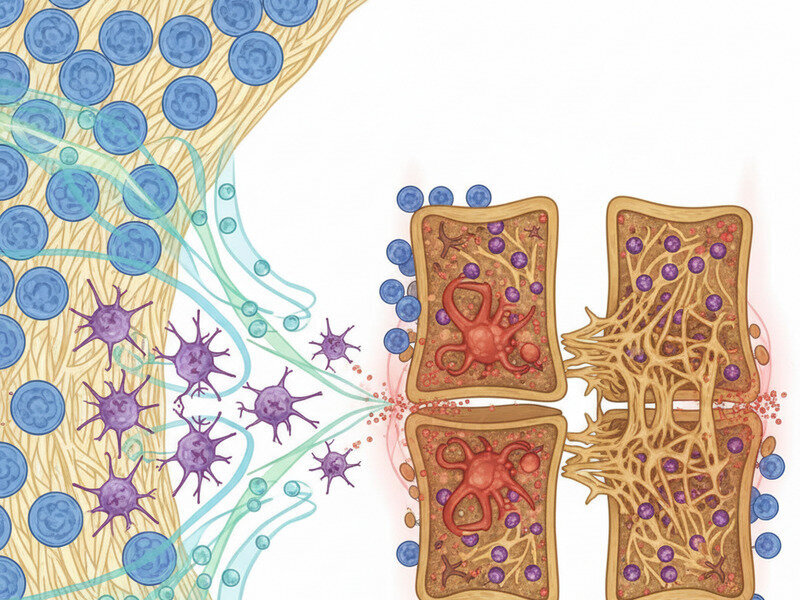
Understanding how bones form and fuse at the microscopic level involves delving into a complex interplay of cellular processes, signaling pathways, and structural changes. This intricate dance begins with the basic unit of bone tissue, the osteoblast, and progresses through a series of well-coordinated steps that ultimately lead to the formation of a robust skeletal system. By exploring these processes, we can appreciate how our bodies maintain structural integrity and adapt to various physical demands.
The Role of Osteoblasts in Bone Formation
Bone formation, or ossification, is primarily driven by specialized cells known as osteoblasts. These cells originate from mesenchymal stem cells, which differentiate into osteoblasts under the influence of specific growth factors such as bone morphogenetic proteins (BMPs). Once differentiated, osteoblasts play a crucial role in synthesizing the bone matrix, which consists of collagen fibers and mineral deposits. The collagen provides a scaffold for mineralization, while minerals like calcium and phosphate crystallize to form hydroxyapatite, giving bone its strength and rigidity.
Osteoblasts secrete osteoid, an unmineralized organic ...
Premium preview
Premium members unlock the full article—complete step-by-step routines, deeper coaching notes, and exclusive frameworks.