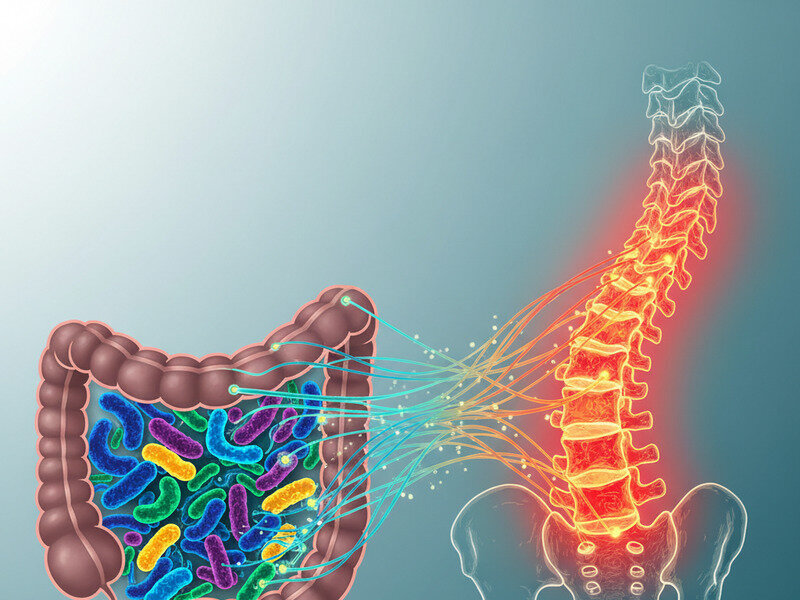
Ankylosing spondylitis (AS) is a chronic inflammatory disease that primarily affects the spine and the sacroiliac joints, leading to pain and stiffness. While the exact cause of AS is not fully understood, it is known to involve a complex interplay of genetic, environmental, and immunological factors. Recent research has increasingly focused on the role of gut bacteria, or the gut microbiome, in influencing inflammation and potentially contributing to the pathogenesis of AS.
The human gut is home to trillions of microorganisms, including bacteria, viruses, fungi, and other microbes. This diverse community plays a crucial role in maintaining health by aiding digestion, producing vitamins, and protecting against pathogens. However, the gut microbiome also interacts with the immune system in ways that can influence inflammatory processes throughout the body.
The Gut-Immune System Connection
The gut-associated lymphoid tissue (GALT) is a key component of the immune system that resides in the intestinal lining. It acts as a surveillance system, monitoring the gut environment for potential threats. The interaction between gut bacteria and GALT is essential for educating and regul...
Premium preview
Premium members unlock the full article—complete step-by-step routines, deeper coaching notes, and exclusive frameworks.