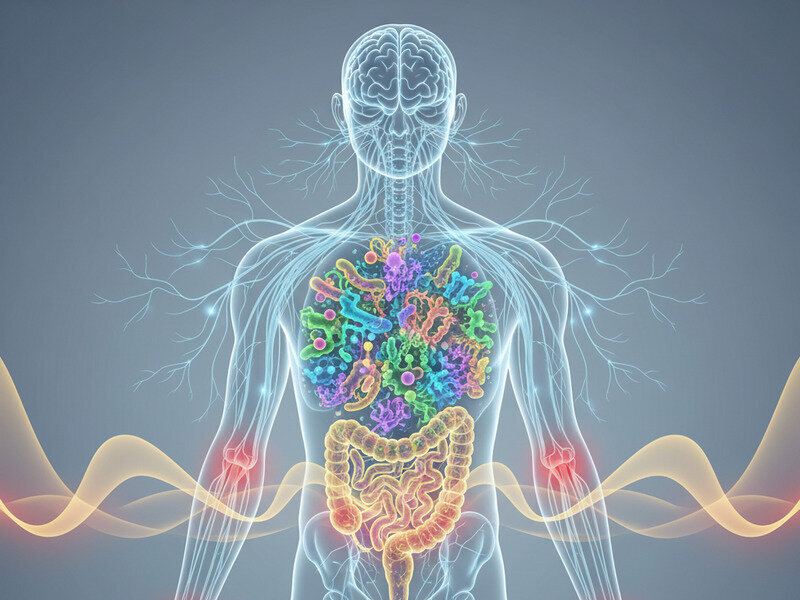
The human gut is often referred to as the "second brain," a term that underscores its significant influence on overall health. This complex ecosystem, primarily composed of trillions of microorganisms, plays a crucial role in digestion, immune function, and even mood regulation. However, when this balance is disrupted, a condition known as gut dysbiosis can occur, leading to various health issues. Among these are fatigue and joint pain, symptoms that are increasingly linked to gut health.
Understanding the connection between gut imbalance and these symptoms requires a closer look at the gut microbiome's functions. The microbiome consists of bacteria, viruses, fungi, and other microorganisms that reside in the intestines. These organisms help break down food, synthesize vitamins, and protect against pathogens. A healthy gut microbiome is characterized by diversity and stability, which supports the body's metabolic processes and immune responses.
The Role of Gut Health in Inflammation
Inflammation is a natural response of the immune system to injury or infection. However, chronic inflammation can lead to various health problems, ...
Premium preview
Premium members unlock the full article—complete step-by-step routines, deeper coaching notes, and exclusive frameworks.