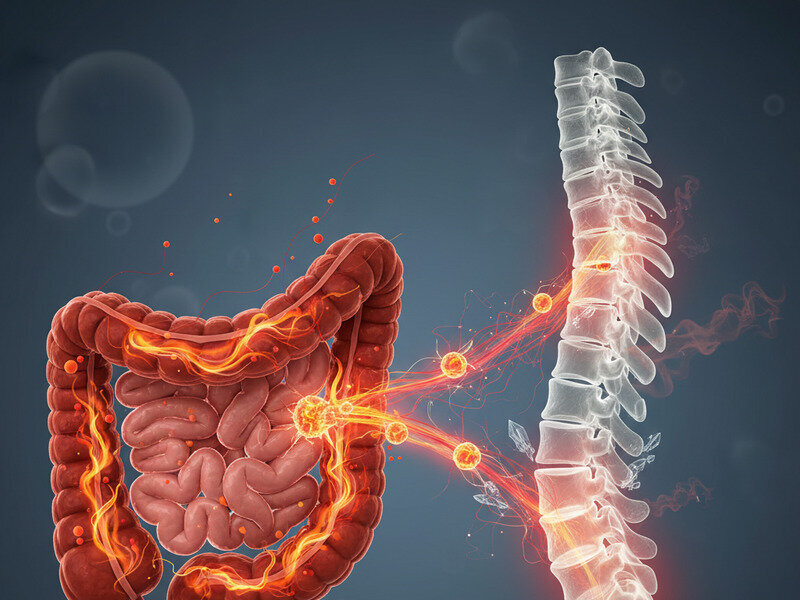
Inflammation is a complex biological response to harmful stimuli such as pathogens, damaged cells, or irritants. While it is a protective mechanism, chronic inflammation can lead to various diseases, including those affecting the spine. Understanding how inflammation originates in the gut and subsequently affects the spine involves exploring the intricate interactions between the gut microbiota, immune responses, and systemic inflammation.
The human gut is home to trillions of microorganisms, collectively known as the gut microbiota. These microorganisms play a crucial role in maintaining health by aiding digestion, synthesizing vitamins, and protecting against pathogens. However, an imbalance in this microbial community, termed dysbiosis, can trigger inflammatory responses. Dysbiosis may result from factors such as poor diet, antibiotic use, or stress, leading to an overgrowth of harmful bacteria and a reduction in beneficial ones.
When dysbiosis occurs, the integrity of the gut lining can be compromised. The gut lining, or intestinal epithelium, acts as a barrier that selectively allows nutrients to pass into the bloodstream while keeping harmful substances out. In a healt...
Premium preview
Premium members unlock the full article—complete step-by-step routines, deeper coaching notes, and exclusive frameworks.