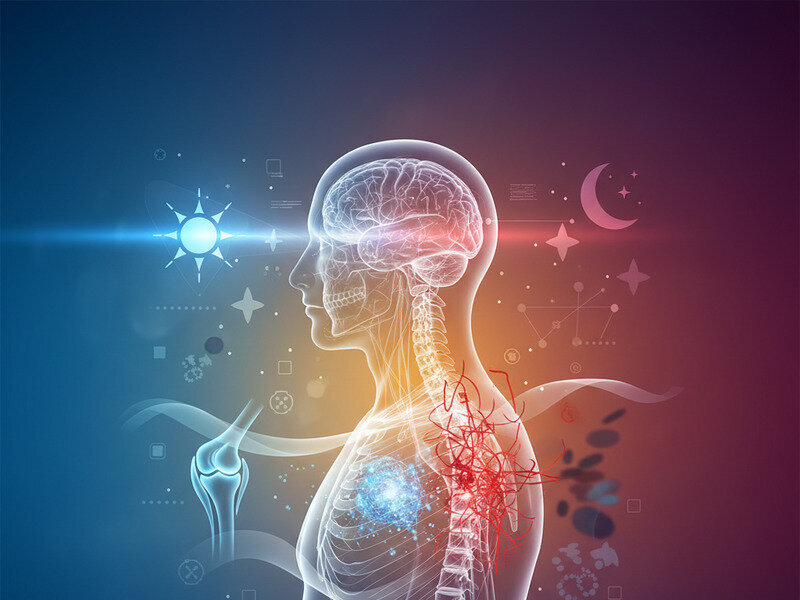
Light is one of the most fundamental environmental cues that regulates biological processes in humans. From the moment we wake up to when we close our eyes at night, light influences a myriad of physiological functions. Understanding how light exposure throughout the day impacts your body can help you harness its benefits while mitigating potential downsides. This article delves into the intricate relationship between light and human biology, offering insights into how different types of light affect our health and well-being.
The Role of Light in Regulating Circadian Rhythms
At the core of our interaction with light is the circadian rhythm, an internal clock that governs the sleep-wake cycle, hormone release, eating habits, and other bodily functions. This roughly 24-hour cycle is primarily influenced by light and darkness in our environment. The suprachiasmatic nucleus (SCN), located in the hypothalamus, acts as the master clock, coordinating these rhythms by responding to light signals received through the eyes.
Exposure to natural light, especially in the morning, is crucial for synchronizing our circadian rhythms. Morning light exposure helps reset the SCN, promoting a...
Premium preview
Premium members unlock the full article—complete step-by-step routines, deeper coaching notes, and exclusive frameworks.