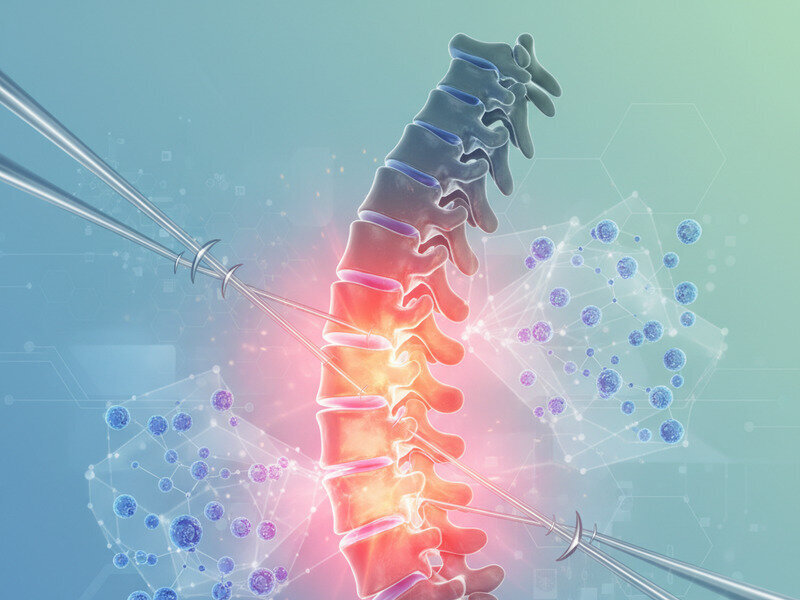
Ankylosing Spondylitis (AS) is a type of inflammatory arthritis that primarily affects the spine, although other joints can also be involved. It is characterized by chronic inflammation, which can lead to pain and stiffness. One of the intriguing aspects of AS is how mechanical stress, such as physical activity or even normal movement, can exacerbate inflammation. Understanding this process requires a look into the biological mechanisms that convert mechanical stress into inflammatory signals.
The Role of Mechanical Stress in AS
Mechanical stress refers to the physical forces exerted on body tissues during movement or weight-bearing activities. In healthy individuals, these forces are typically well-managed by the body’s musculoskeletal system. However, in individuals with AS, these forces can trigger or worsen inflammation. This is partly due to the unique way in which the immune system in AS patients responds to stress signals.
Research has shown that in AS, there is an abnormal immune response to mechanical stress. This response is mediated by a complex interplay of genetic and environmental factors. The HLA-B27 gene, for instance, is strongly associated with AS and is b...
Premium preview
Premium members unlock the full article—complete step-by-step routines, deeper coaching notes, and exclusive frameworks.