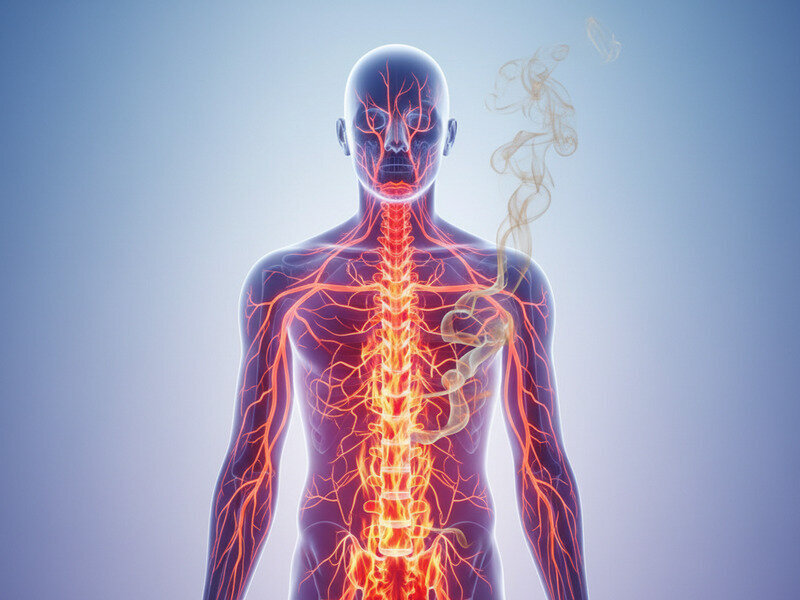
Smoking is widely recognized as a leading cause of various health issues, including cancer and cardiovascular diseases. However, one of the less visible yet profoundly damaging effects of smoking is its role in fueling inflammation throughout the body. Inflammation is a natural response of the immune system to injury or infection, but when it becomes chronic, it can contribute to a host of diseases. Understanding how smoking exacerbates this process can provide insight into the broader implications for health.
The Nature of Inflammation
Inflammation is an essential biological response that helps the body protect itself against harm. When tissues are injured or infected, the immune system releases chemicals that trigger an inflammatory response. This process involves increased blood flow to the affected area, allowing immune cells to reach and repair damaged tissues. While acute inflammation is beneficial and necessary for healing, chronic inflammation can be harmful. It occurs when the inflammatory response persists over time, leading to tissue damage and contributing to diseases such as arthritis, heart disease, and diabetes.
How Smoking Triggers Inflammation
Smoking intr...
Premium preview
Premium members unlock the full article—complete step-by-step routines, deeper coaching notes, and exclusive frameworks.