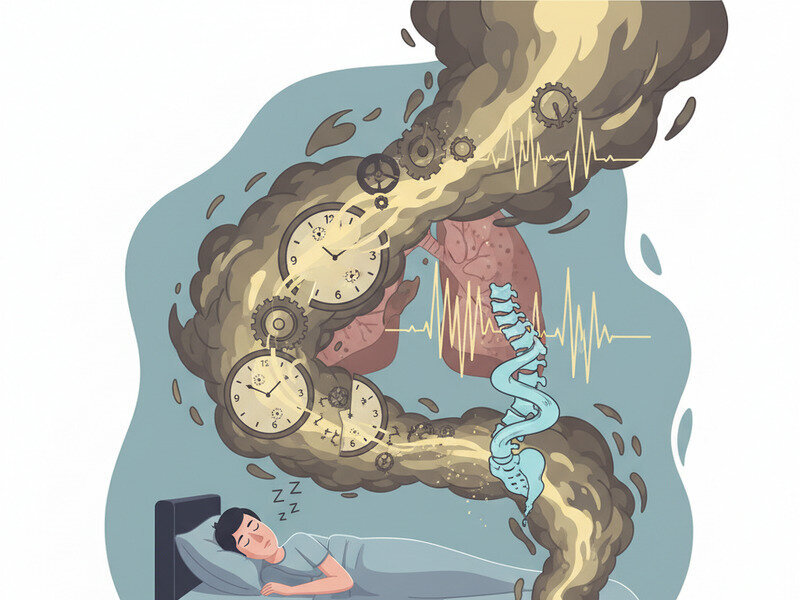
Smoking is widely recognized as a leading cause of numerous health issues, ranging from lung cancer to cardiovascular diseases. However, its impact on sleep quality is often overlooked, despite being significant. Understanding how smoking affects sleep can offer deeper insights into why quitting smoking is beneficial not just for overall health, but also for achieving restful and restorative sleep.
To comprehend the relationship between smoking and sleep, it's essential to first understand the role of nicotine, the primary addictive substance in tobacco. Nicotine acts as a stimulant, which can disrupt the natural sleep-wake cycle. This disruption occurs because nicotine increases the release of neurotransmitters like dopamine and norepinephrine, which promote wakefulness and alertness. As a result, smokers often experience difficulty falling asleep and maintaining sleep throughout the night.
The Impact of Nicotine on Sleep Architecture
Sleep architecture refers to the structure and pattern of sleep cycles, including the distribution of REM (Rapid Eye Movement) and non-REM sleep stages. Nicotine's stimulating effects can alter this architecture significantly. Studies have sh...
Premium preview
Premium members unlock the full article—complete step-by-step routines, deeper coaching notes, and exclusive frameworks.