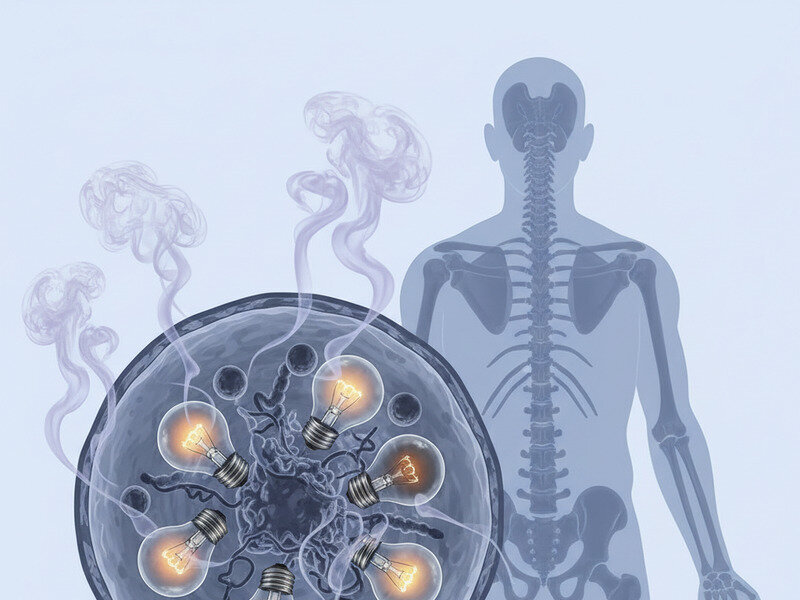
Smoking is widely recognized as a major health hazard, linked to numerous diseases such as cancer, cardiovascular disease, and respiratory disorders. However, one of the less discussed but equally significant impacts of smoking is its effect on cellular energy production. Understanding how smoking interferes with the body's cellular machinery can provide deeper insights into why it is so detrimental to overall health.
At the core of cellular energy production is the mitochondrion, often referred to as the powerhouse of the cell. Mitochondria are responsible for generating adenosine triphosphate (ATP), the energy currency of the cell, through a process known as oxidative phosphorylation. This process involves a series of complex biochemical reactions that occur within the inner mitochondrial membrane. The efficiency of ATP production is crucial for maintaining cellular function and overall energy levels in the body.
The Role of Mitochondria in Energy Production
Mitochondria generate ATP primarily through the electron transport chain, a sequence of protein complexes and other molecules embedded in the inner mitochondrial membrane. Electrons are transferred through these compl...
Premium preview
Premium members unlock the full article—complete step-by-step routines, deeper coaching notes, and exclusive frameworks.