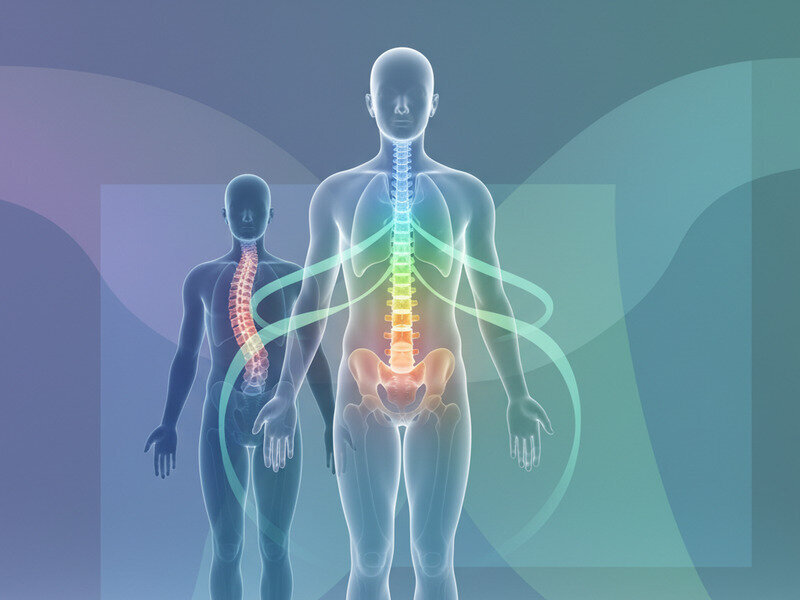
Good posture is often associated with standing tall and sitting straight, but it goes beyond mere aesthetics. It is a critical component of overall health, impacting everything from musculoskeletal alignment to respiratory efficiency. Poor posture can lead to a host of issues, including back pain, reduced flexibility, and even digestive problems. Understanding how to train your body to maintain better posture automatically involves a combination of awareness, strength training, flexibility exercises, and lifestyle adjustments.
Understanding Posture: The Foundation
Posture refers to the position in which you hold your body while standing, sitting, or lying down. It involves the coordinated action of muscles and bones to maintain balance and alignment. The spine plays a central role in posture, with its natural curves in the cervical, thoracic, and lumbar regions. These curves help distribute mechanical stress during movement and rest.
According to the American Chiropractic Association, poor posture can be attributed to several factors, including sedentary lifestyles, prolonged use of electronic devices, and improper ergonomics. Over time, these factors can lead to muscle imb...
Premium preview
Premium members unlock the full article—complete step-by-step routines, deeper coaching notes, and exclusive frameworks.