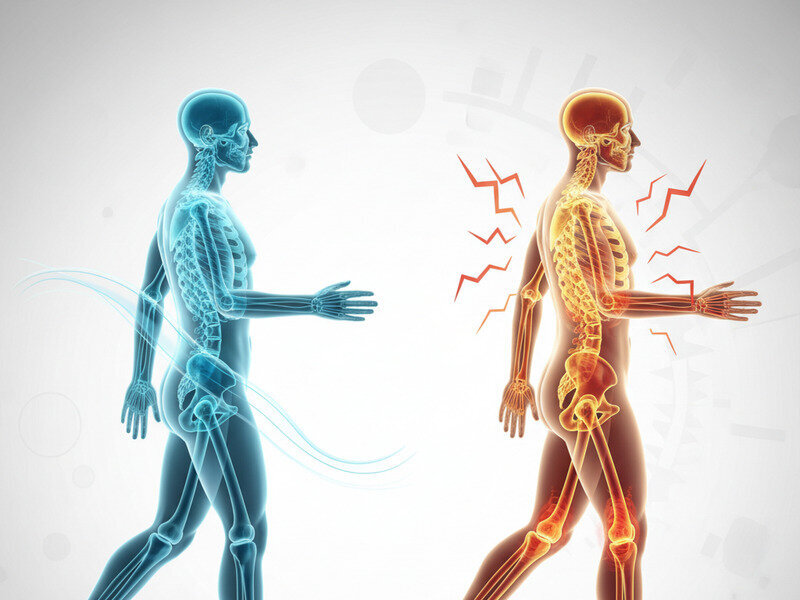
Walking is a fundamental human activity, yet the way we walk can significantly impact our body's alignment, particularly in the hips and spine. Understanding how walking style influences these areas is crucial, as misalignment can lead to discomfort, pain, and even long-term musculoskeletal issues. This article explores the intricate relationship between walking style, hip alignment, and spinal health, providing insights into how subtle changes in gait can have profound effects on overall well-being.
At the core of walking is the gait cycle, a complex sequence of movements that involves the coordination of various muscles and joints. The gait cycle is typically divided into two main phases: the stance phase, where the foot is in contact with the ground, and the swing phase, where the foot moves forward. Each phase requires precise timing and coordination to maintain balance and propulsion.
The Role of Hip Alignment in Walking
The hips play a pivotal role in walking by providing stability and enabling movement. Proper hip alignment ensures that the forces generated during walking are evenly distributed across the pelvis and lower limbs. When the hips are misaligned, it can l...
Premium preview
Premium members unlock the full article—complete step-by-step routines, deeper coaching notes, and exclusive frameworks.