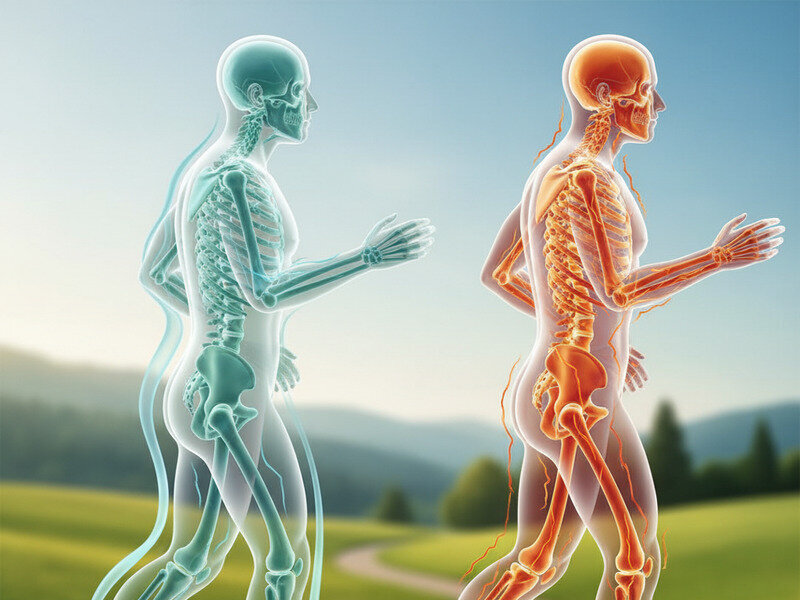
Walking is a fundamental human activity, often taken for granted in daily life. However, the way we walk, or our gait, can significantly influence the alignment of our hips and spine. Understanding this connection is crucial because improper alignment can lead to discomfort, pain, and long-term musculoskeletal issues. This article explores how different walking styles impact hip and spine alignment, drawing on insights from biomechanics and medical research.
The human body is designed to move efficiently, and walking is one of the most energy-efficient forms of locomotion. The process involves a complex interplay of muscles, bones, and joints working in harmony. The hips and spine play pivotal roles in this process, acting as the central axis around which movement occurs. When walking, the hips provide stability and mobility, while the spine supports the body's weight and maintains balance.
The Mechanics of Walking
Walking involves a series of coordinated movements that begin with the heel strike and end with the toe-off. During this cycle, the body undergoes a series of dynamic shifts. The pelvis rotates slightly with each step, allowing the legs to move forward. This rota...
Premium preview
Premium members unlock the full article—complete step-by-step routines, deeper coaching notes, and exclusive frameworks.