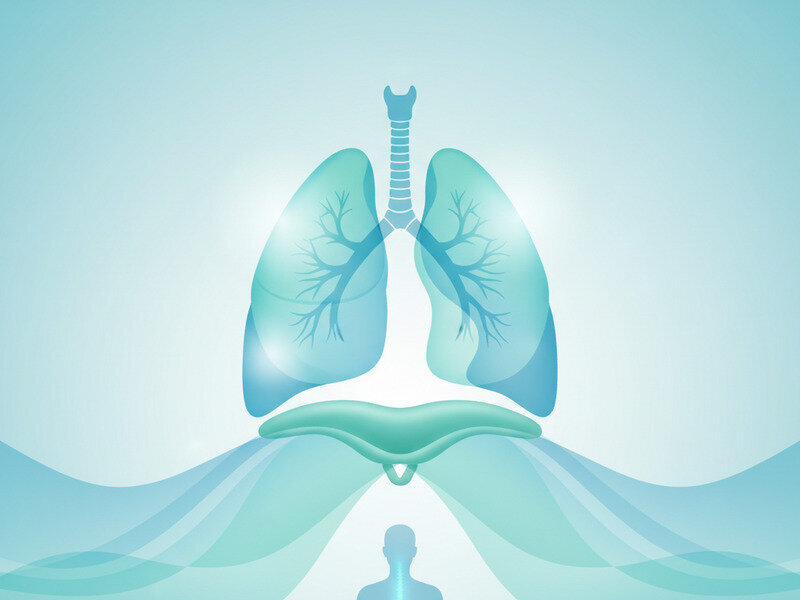
Breathing is an automatic process that sustains life, yet it is often taken for granted. However, the way we breathe can significantly influence our physical and emotional well-being. Understanding the connection between breathing patterns and their effects on pain and calmness can provide valuable insights into managing stress and discomfort effectively.
Breathing patterns refer to the rhythm, rate, and depth of breaths. These patterns can vary greatly depending on physical activity, emotional state, and even habitual tendencies. The autonomic nervous system, which regulates involuntary bodily functions, plays a crucial role in controlling these patterns. It comprises two main components: the sympathetic nervous system, which prepares the body for 'fight or flight' responses, and the parasympathetic nervous system, which promotes 'rest and digest' activities.
The Physiology of Breathing
When we inhale, air fills the lungs, causing the diaphragm to contract and move downward. This process increases the space in the chest cavity, allowing the lungs to expand. Exhalation follows as the diaphragm relaxes and moves upward, pushing air out of the lungs. This cycle of inhalation ...
Premium preview
Premium members unlock the full article—complete step-by-step routines, deeper coaching notes, and exclusive frameworks.