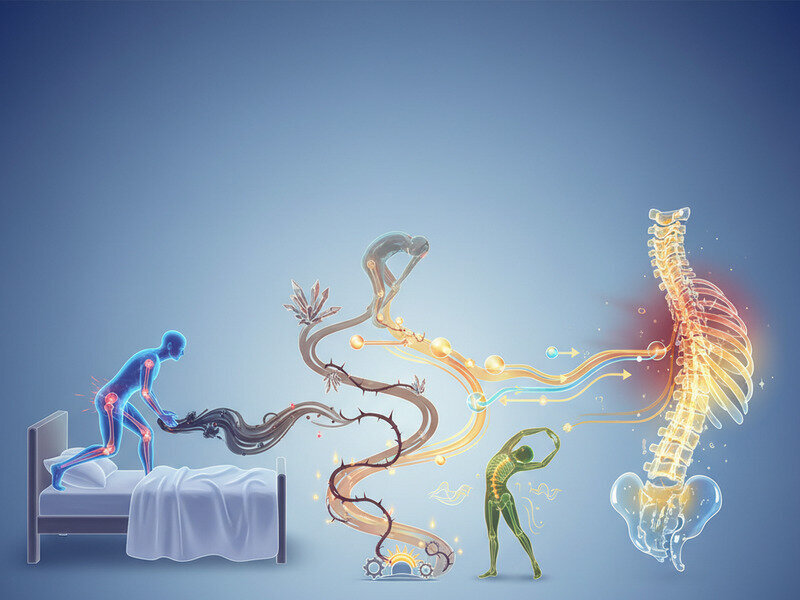
Every morning, as you transition from the comfort of your bed to the demands of the day, your body undergoes a series of physiological changes. These changes can significantly influence how stiff or energetic you feel. Understanding these processes can help you optimize your morning routine to enhance your physical comfort and energy levels throughout the day.
Upon waking, your body emerges from a state of rest where various systems have been at work to repair and rejuvenate. During sleep, muscle activity decreases, and the body's metabolic rate slows down. This is why many people experience stiffness upon waking. The joints and muscles have been relatively inactive for several hours, leading to a temporary reduction in flexibility and range of motion.
The Role of Cortisol and Circadian Rhythms
One of the key factors influencing morning stiffness and energy is the hormone cortisol. Cortisol follows a circadian rhythm, meaning its levels fluctuate throughout the day. Typically, cortisol levels peak in the early morning hours, around 8 a.m., which helps to increase alertness and energy levels. This natural surge is part of what helps you wake up feeling refreshed and ready to...
Premium preview
Premium members unlock the full article—complete step-by-step routines, deeper coaching notes, and exclusive frameworks.