
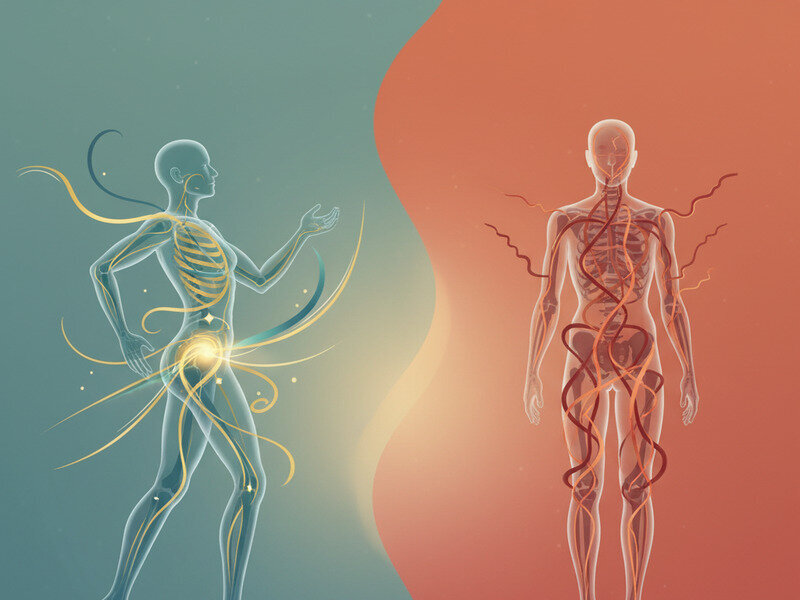
Intermittent fasting (IF) and regular eating patterns have become focal points in discussions about nutrition, health, and wellness. As individuals seek optimal ways to manage their energy levels and physical well-being, understanding the impact of these dietary approaches is crucial. This article delves into the differences between intermittent fasting and regular eating, particularly focusing on how they influence energy levels and physical stiffness.
Understanding Intermittent Fasting
Intermittent fasting is not a diet in the traditional sense but rather an eating pattern that cycles between periods of fasting and eating. The most common methods include the 16/8 method, where individuals fast for 16 hours and eat during an 8-hour window, and the 5:2 method, which involves eating normally for five days a week and restricting calorie intake to about 500–600 calories on two non-consecutive days.
Research has shown that intermittent fasting can lead to various health benefits, including weight loss, improved metabolic health, and enhanced brain function. According to a review published in the New England Journal of Medicine, IF can improve insulin sensitivity, reduce inflammation, and promote cellular repair processes. These physiological changes can contribute to better energy management and reduced stiffness.
Regular Eating Patterns
Contrastingly, regular eating patterns typically involve consuming three main meals a day with snacks in between. This approach aims to provide a steady supply of nutrients and energy throughout the day. The conventional wisdom behind regular eating is that it helps maintain stable blood sugar levels, preventing energy dips and promoting consistent physical performance.
The American Heart Association suggests that regular meal timing can support cardiovascular health by helping to regulate blood pressure and cholesterol levels. However, the impact on energy levels and stiffness can vary widely depending on the quality of the diet and individual metabolic responses.
Energy Levels: IF vs. Regular Eating
Energy levels are influenced by various factors, including nutrient intake, metabolic rate, and lifestyle habits. Intermittent fasting may enhance energy levels by optimizing metabolic pathways. During fasting periods, the body shifts from using glucose as its primary energy source to burning fat, a process known as ketosis. This metabolic switch can lead to more sustained energy release compared to the quick spikes and drops associated with glucose metabolism.
A study published in Obesity Reviews found that participants practicing intermittent fasting reported higher energy levels and improved mood compared to those following a regular eating pattern. This could be attributed to more stable blood sugar levels and reduced inflammation.
On the other hand, regular eating provides a constant influx of nutrients that can prevent hunger-related fatigue. However, if meals are high in processed carbohydrates or sugars, this can lead to rapid changes in blood sugar levels, resulting in energy crashes.
Physical Stiffness: IF vs. Regular Eating
Physical stiffness often relates to inflammation and joint health. Intermittent fasting may reduce stiffness by lowering inflammation markers in the body. According to research from the Journal of Clinical Investigation, fasting triggers autophagy, a process where cells remove damaged components, potentially reducing inflammation and improving joint function.
Regular eating patterns can also support joint health if they include anti-inflammatory foods such as omega-3 fatty acids, fruits, and vegetables. However, diets high in processed foods may exacerbate inflammation and contribute to stiffness.
Conclusion
The choice between intermittent fasting and regular eating should be guided by individual health goals, lifestyle preferences, and how one's body responds to different dietary patterns. Both approaches have unique benefits and potential drawbacks concerning energy levels and physical stiffness. Intermittent fasting may offer more significant improvements in metabolic efficiency and inflammation reduction, while regular eating provides consistent nutrient intake that can stabilize energy levels if managed well.


