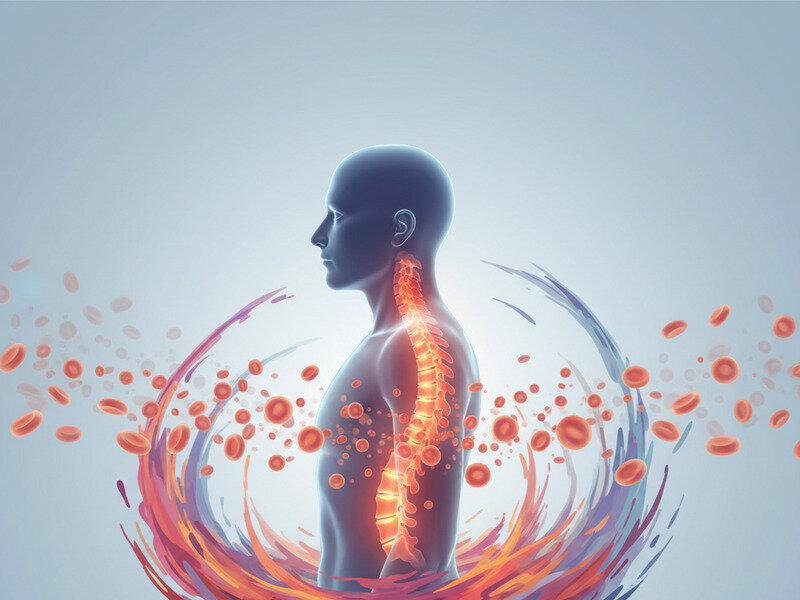
Ankylosing spondylitis (AS) is a chronic inflammatory disease primarily affecting the spine and sacroiliac joints, leading to pain and stiffness. It is part of the broader category of spondyloarthritis and can have systemic manifestations beyond the musculoskeletal system. One such manifestation that often goes underappreciated is iron deficiency, which can significantly contribute to fatigue in these patients. Understanding the interplay between iron deficiency and fatigue in ankylosing spondylitis is crucial for effective management and improving patient quality of life.
Understanding Ankylosing Spondylitis
Ankylosing spondylitis is characterized by inflammation of the vertebrae, which can lead to chronic pain and potentially result in the fusion of the spine over time. The disease predominantly affects young adults, with symptoms often beginning in late adolescence or early adulthood. The exact cause of AS is not fully understood, but it is known to have a strong genetic component, particularly associated with the HLA-B27 gene.
The inflammation in AS is not limited to the spine; it can also affect other parts of the body, including the eyes, heart, and lungs. This system...
Premium preview
Premium members unlock the full article—complete step-by-step routines, deeper coaching notes, and exclusive frameworks.