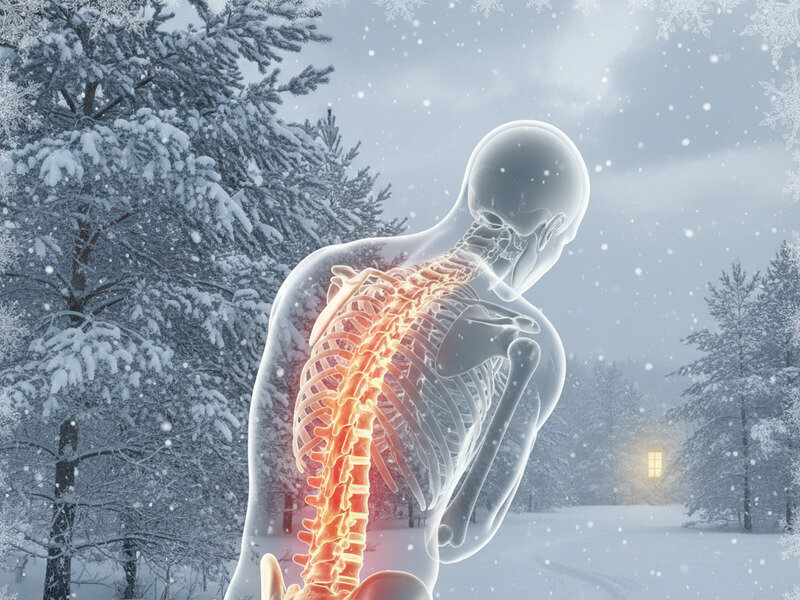
Ankylosing spondylitis (AS) is a chronic inflammatory disease primarily affecting the spine and sacroiliac joints, leading to pain and stiffness. The condition can significantly impact quality of life, particularly during the winter months when symptoms often worsen. Understanding why this happens and how to manage it effectively is crucial for those living with AS.
Winter presents unique challenges for individuals with ankylosing spondylitis. The cold weather can exacerbate symptoms, making it essential to explore why this occurs and how to mitigate these effects. The combination of lower temperatures, reduced sunlight, and changes in physical activity levels can all contribute to increased discomfort.
The Impact of Cold Weather on Ankylosing Spondylitis
The cold weather itself can lead to increased stiffness and pain in individuals with AS. Cold temperatures can cause muscles to contract, leading to increased tension around the joints. This tension can exacerbate the pain and stiffness already present due to inflammation. Furthermore, cold weather often leads to reduced physical activity, which can further contribute to joint stiffness.
Research has shown that barometric...
Premium preview
Premium members unlock the full article—complete step-by-step routines, deeper coaching notes, and exclusive frameworks.