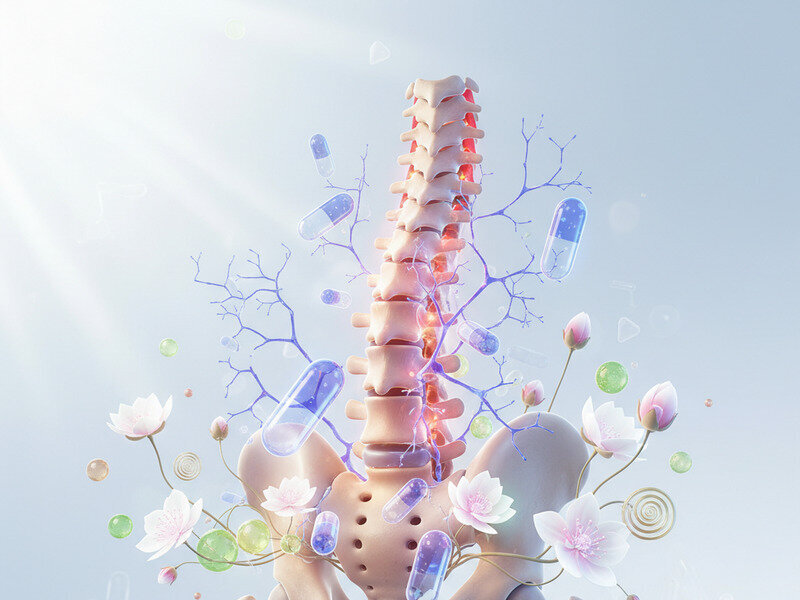
Ankylosing spondylitis (AS) is a chronic inflammatory disease primarily affecting the spine and sacroiliac joints, leading to pain and stiffness. For those diagnosed with AS, managing symptoms and maintaining quality of life often involves medication. However, for individuals of reproductive age, a crucial consideration is how these medications might impact fertility. Understanding the relationship between AS treatments and fertility requires a nuanced exploration of the medications involved, their mechanisms, and their potential effects on reproductive health.
Understanding Ankylosing Spondylitis and Its Treatment
Ankylosing spondylitis is part of a group of inflammatory conditions known as spondyloarthritis. The exact cause of AS is not fully understood, but it is believed to involve genetic factors, particularly the HLA-B27 gene, which is present in a significant number of patients. The primary goal of treatment is to reduce inflammation, relieve pain, and prevent or delay spinal deformity.
Common medications used in the management of AS include nonsteroidal anti-inflammatory drugs (NSAIDs), disease-modifying antirheumatic drugs (DMARDs), and biologics such as tumor necr...
Premium preview
Premium members unlock the full article—complete step-by-step routines, deeper coaching notes, and exclusive frameworks.