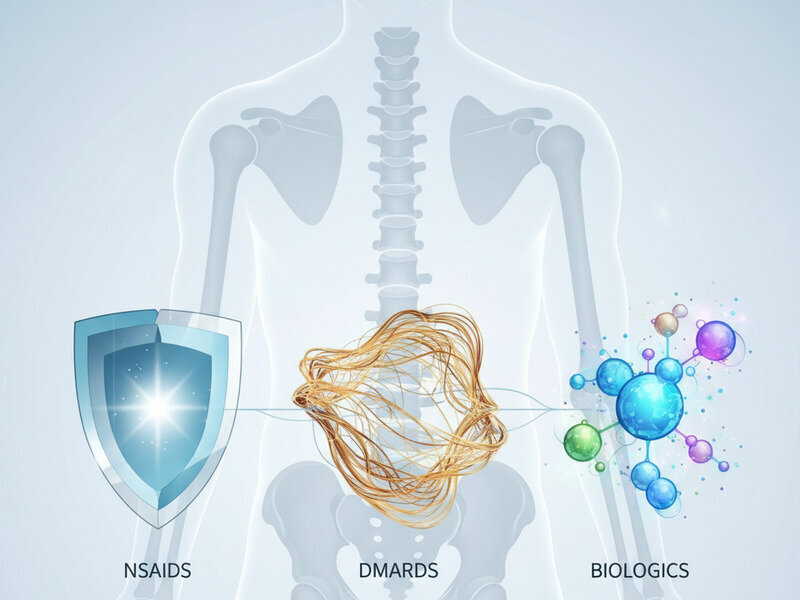
In the realm of medical treatments for inflammatory conditions, particularly those affecting the joints like arthritis, three categories of medications often come into focus: Non-Steroidal Anti-Inflammatory Drugs (NSAIDs), Disease-Modifying Anti-Rheumatic Drugs (DMARDs), and biologics. Understanding the differences between these can be crucial for patients and caregivers alike, as each class of medication works in distinct ways and is suited for different stages or types of disease.
To begin with, NSAIDs are perhaps the most familiar to the general public. These drugs, which include ibuprofen and naproxen, are widely used to reduce inflammation and relieve pain. They work by inhibiting enzymes called cyclooxygenases (COX-1 and COX-2), which play a key role in the inflammatory process. While effective for managing symptoms like pain and swelling, NSAIDs do not alter the underlying disease process. This limitation means they are often used for short-term relief rather than as a long-term solution.
NSAIDs are generally well-tolerated, but they are not without side effects. Common issues include gastrointestinal problems such as ulcers or bleeding, especially with long-term use....
Premium preview
Premium members unlock the full article—complete step-by-step routines, deeper coaching notes, and exclusive frameworks.