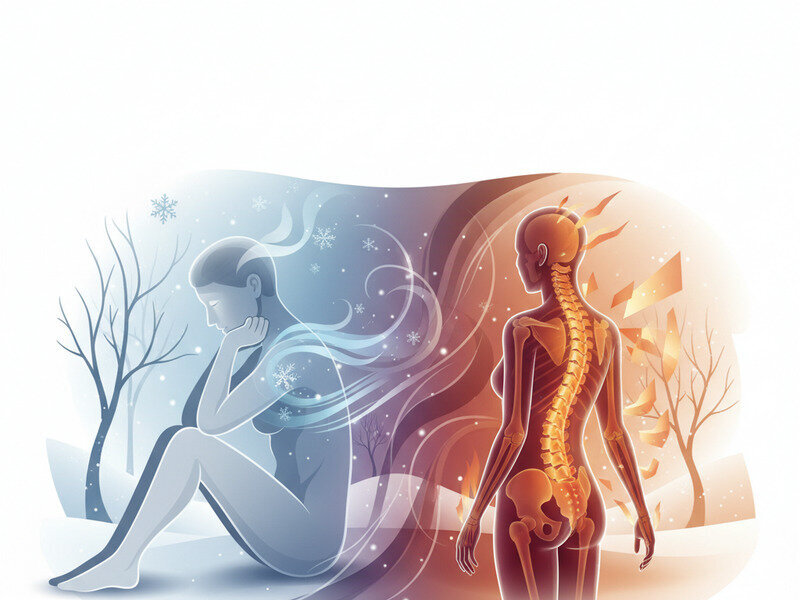
Seasonal Affective Disorder (SAD) and Ankylosing Spondylitis (AS) are two distinct conditions that, when occurring together, can create a complex interplay of symptoms and challenges. Understanding each condition individually and how they might interact is crucial for those affected and their healthcare providers. This article aims to unravel the complexities of these conditions, their potential overlap, and the implications for treatment and management.
Understanding Seasonal Affective Disorder
Seasonal Affective Disorder is a type of depression that occurs at a specific time of year, usually in the winter when daylight hours are shorter. The exact cause of SAD is not fully understood, but it is believed to be related to the reduced level of sunlight in fall and winter, which may disrupt the body's internal clock (circadian rhythm) and lead to feelings of depression. Additionally, this lack of sunlight can cause a drop in serotonin, a neurotransmitter that affects mood, and alter melatonin levels, which play a role in sleep patterns.
Symptoms of SAD include persistent low mood, loss of interest in activities once enjoyed, irritability, feelings of despair, lethargy, and ch...
Premium preview
Premium members unlock the full article—complete step-by-step routines, deeper coaching notes, and exclusive frameworks.