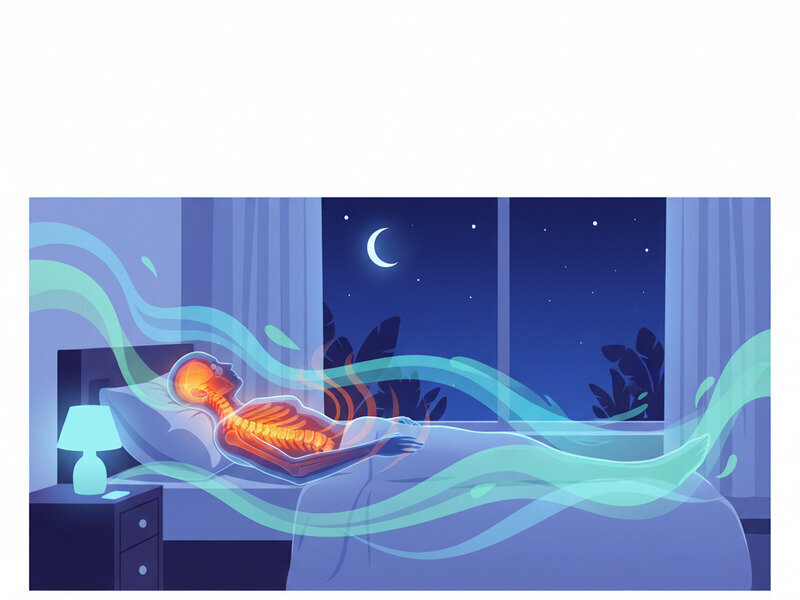
Ankylosing spondylitis (AS) is a type of inflammatory arthritis that primarily affects the spine, although other joints can also be involved. It is characterized by chronic pain and stiffness, particularly in the lower back and hips, which can worsen over time. One of the lesser-discussed aspects of managing ankylosing spondylitis is the role of temperature regulation, especially during the night. Understanding how temperature affects this condition can provide insights into better management strategies and improve quality of life for those affected.
Temperature regulation is a critical physiological process that maintains the body's core temperature within a narrow range, despite fluctuations in environmental temperatures. This process is vital for normal bodily functions and is controlled by the hypothalamus, a region in the brain that acts as the body's thermostat. At night, the body's temperature naturally decreases as part of the circadian rhythm, which helps to facilitate sleep. However, for individuals with ankylosing spondylitis, this natural drop in temperature can exacerbate symptoms.
The Impact of Temperature on Ankylosing Spondylitis
Research indicates that indi...
Premium preview
Premium members unlock the full article—complete step-by-step routines, deeper coaching notes, and exclusive frameworks.