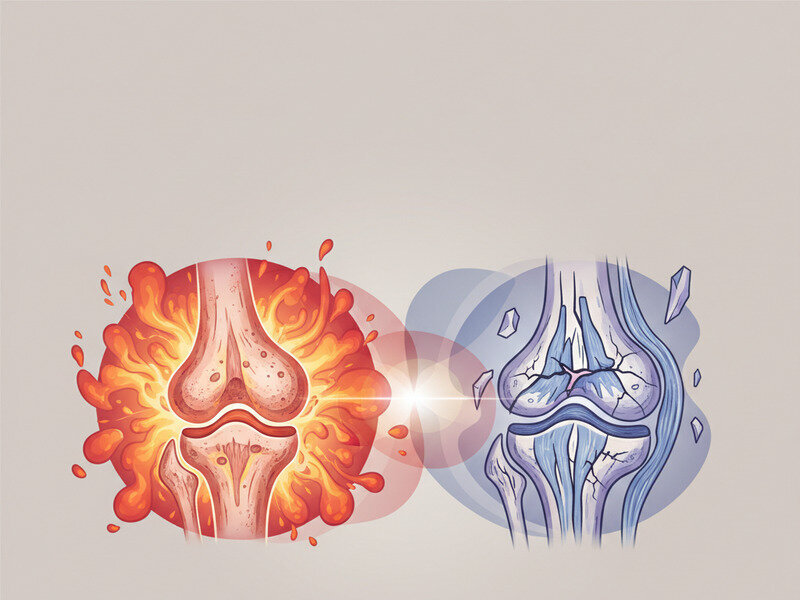
Pain is a universal experience, yet its origins can be complex and varied. Two primary sources of pain are inflammation and tissue damage, each with distinct mechanisms and implications for treatment. Understanding the differences between these types of pain is crucial for effective management and relief.
Inflammation is a natural response of the body's immune system to injury or infection. It serves as a protective mechanism aimed at removing harmful stimuli and initiating the healing process. When tissues are injured, the body releases chemicals such as histamines, cytokines, and prostaglandins. These substances increase blood flow to the affected area, resulting in redness, warmth, swelling, and pain. The pain associated with inflammation is typically characterized by a throbbing or pulsating sensation, which can be persistent and may worsen with movement.
In contrast, pain from damage, often referred to as nociceptive pain, arises directly from physical harm to tissues. This type of pain is usually acute and sharp, signaling immediate injury to the body. It can result from cuts, fractures, or other forms of trauma where the body's nociceptors — specialized nerve endings ...
Premium preview
Premium members unlock the full article—complete step-by-step routines, deeper coaching notes, and exclusive frameworks.