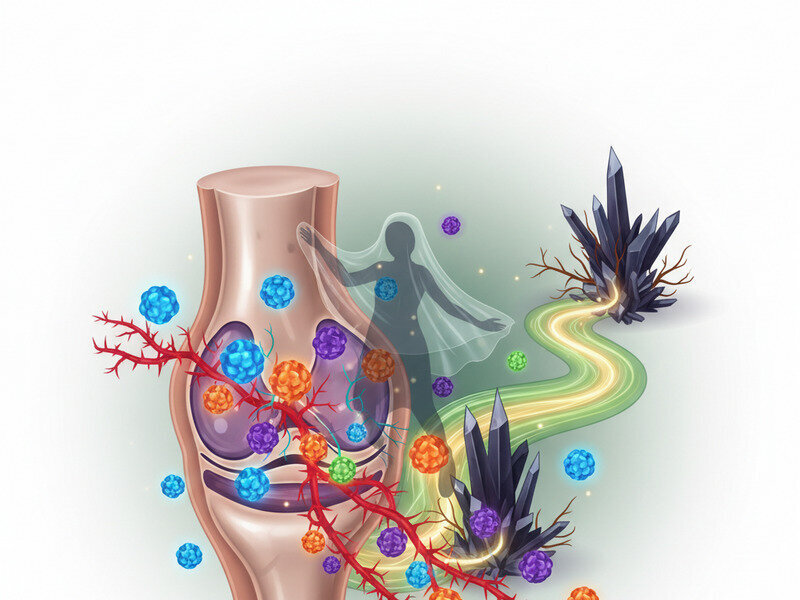
Understanding the intricate mechanisms of pain and stiffness, especially in chronic conditions such as arthritis, requires a deep dive into the world of cytokines. These small proteins, secreted by cells, play a pivotal role in cell signaling, particularly within the immune system. Their influence extends beyond mere immune responses, affecting various physiological processes, including the perception of pain and the sensation of stiffness.
To appreciate the role of cytokines in these processes, it's essential to first understand what they are and how they function. Cytokines are produced by a wide range of cells, including immune cells like macrophages, B lymphocytes, T lymphocytes, and mast cells, as well as endothelial cells, fibroblasts, and various stromal cells. They can act on the cells that produce them (autocrine action), on nearby cells (paracrine action), or even on distant cells (endocrine action). This versatility allows them to coordinate complex interactions within the body.
The Mechanism of Cytokines in Inflammation
Inflammation is a natural response to injury or infection, designed to protect the body and initiate healing. However, when inflammation becomes...
Premium preview
Premium members unlock the full article—complete step-by-step routines, deeper coaching notes, and exclusive frameworks.