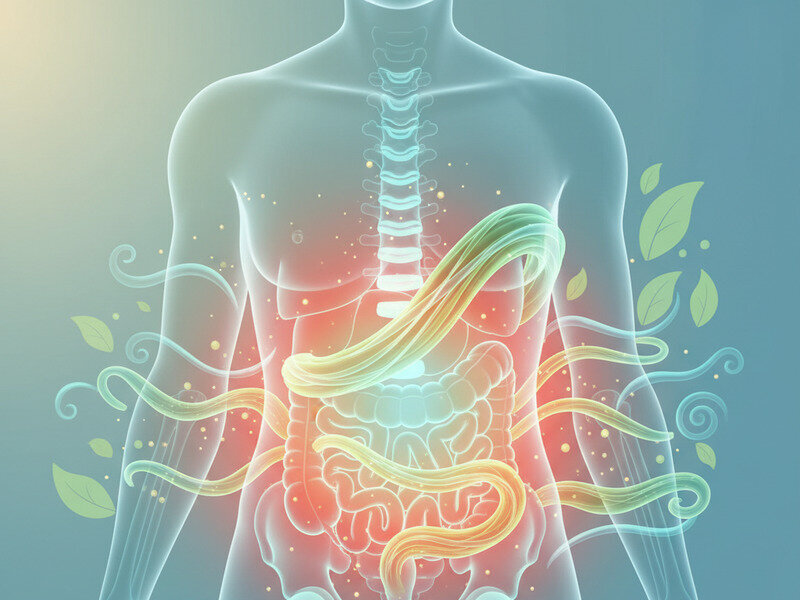
Inflammation is a natural response of the body’s immune system to injury or infection. However, when inflammation becomes chronic, it can contribute to a range of health issues, including heart disease, diabetes, and autoimmune disorders. Understanding the factors that can help manage inflammation is crucial for maintaining overall health. One such factor that has garnered increasing attention is dietary fiber. Often celebrated for its benefits in digestion and heart health, fiber also plays a significant role in modulating inflammation.
Dietary fiber is a type of carbohydrate found in plant-based foods that the body cannot digest. It passes through the digestive system relatively intact, aiding in various bodily functions. There are two main types of dietary fiber: soluble and insoluble. Soluble fiber dissolves in water to form a gel-like substance, which can help lower blood cholesterol and glucose levels. Insoluble fiber adds bulk to stool and aids in the movement of material through the digestive tract.
How Fiber Influences Inflammation
The relationship between fiber and inflammation is complex and involves multiple mechanisms. One primary pathway through which fiber ex...
Premium preview
Premium members unlock the full article—complete step-by-step routines, deeper coaching notes, and exclusive frameworks.