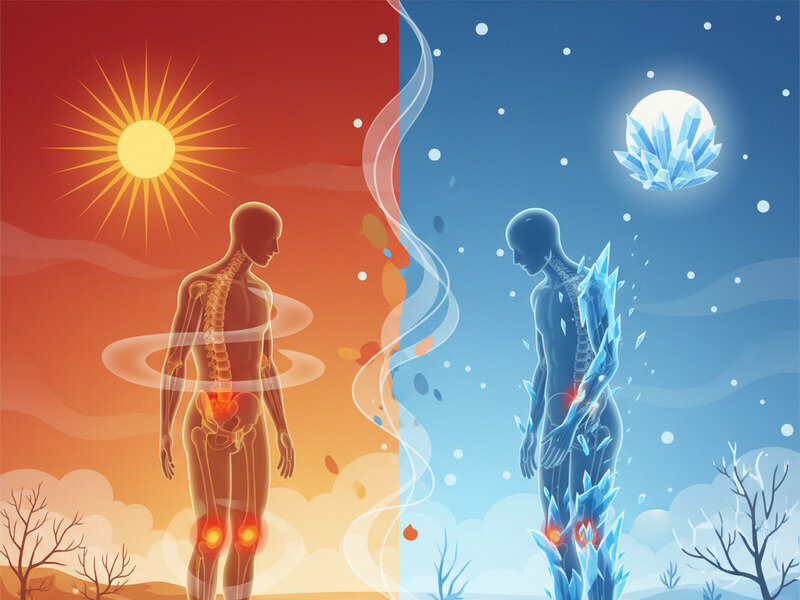
Temperature is a fundamental aspect of our environment that can significantly influence human health and well-being. The way our bodies respond to temperature changes can affect a wide range of symptoms, from pain perception to immune function. Understanding these effects is crucial, particularly for individuals with chronic conditions, as it can inform lifestyle choices and treatment strategies.
Human beings are homeothermic, meaning we maintain a relatively stable internal body temperature despite external fluctuations. This stability is achieved through various physiological mechanisms, such as sweating in response to heat or shivering in response to cold. However, these mechanisms can be overwhelmed or altered by extreme temperatures, leading to changes in symptoms for various health conditions.
How Heat Affects Symptoms
Heat can have both beneficial and detrimental effects on symptoms, depending on the context and the individual's health status. For instance, heat is often used therapeutically to relieve muscle tension and pain. The application of heat can increase blood flow to affected areas, promoting relaxation and reducing discomfort. This is why heat therapy is c...
Premium preview
Premium members unlock the full article—complete step-by-step routines, deeper coaching notes, and exclusive frameworks.