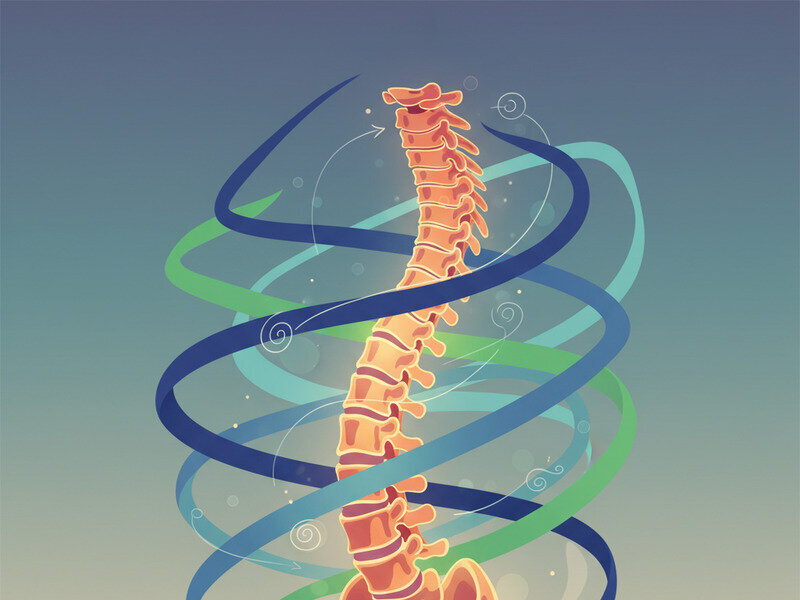
Ankylosing spondylitis (AS) is a chronic inflammatory disease primarily affecting the spine and the sacroiliac joints, leading to pain and stiffness. Understanding how lifestyle factors, such as fasting, influence AS symptoms can be crucial for managing the condition effectively. Fasting, whether for religious, health, or personal reasons, can have various effects on the body, and its impact on AS symptoms is a subject of interest for both patients and healthcare providers.
Understanding Ankylosing Spondylitis
Ankylosing spondylitis is part of a group of diseases known as spondyloarthritis. It is characterized by inflammation that can lead to the fusion of vertebrae, resulting in reduced flexibility and a hunched posture. The exact cause of AS is not fully understood, but it is believed to involve a combination of genetic and environmental factors. The HLA-B27 gene is strongly associated with AS, although not everyone with this gene develops the condition.
Symptoms of AS typically begin in early adulthood and include chronic back pain and stiffness that improve with exercise but not with rest. Over time, AS can lead to complications such as reduced lung capacity due to the in...
Premium preview
Premium members unlock the full article—complete step-by-step routines, deeper coaching notes, and exclusive frameworks.