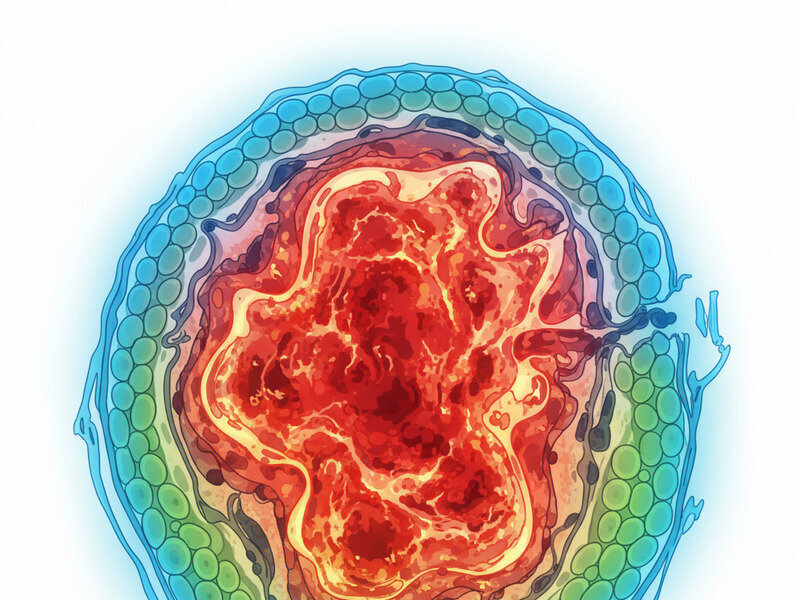
Inflammation is a term that often surfaces in discussions about health and disease, but its role and implications can be misunderstood. To grasp what chronic inflammation means inside your body, it's essential to first understand the nature of inflammation itself. Inflammation is a biological response of the immune system that involves the activation of immune cells, production of cytokines, and other molecular mediators aimed at eliminating harmful stimuli, such as pathogens or damaged cells. This process is crucial for healing and recovery.
However, when inflammation persists over time, it transitions from being protective to potentially harmful. Chronic inflammation is this prolonged inflammatory response that can last for months or even years. Unlike acute inflammation, which is typically beneficial and resolves once the threat is neutralized, chronic inflammation can lead to tissue damage and contribute to various diseases.
The Mechanisms of Chronic Inflammation
Chronic inflammation involves a complex interplay of immune system components. When the body perceives a persistent threat, such as an infection that cannot be cleared or a continuous exposure to irritants like...
Premium preview
Premium members unlock the full article—complete step-by-step routines, deeper coaching notes, and exclusive frameworks.