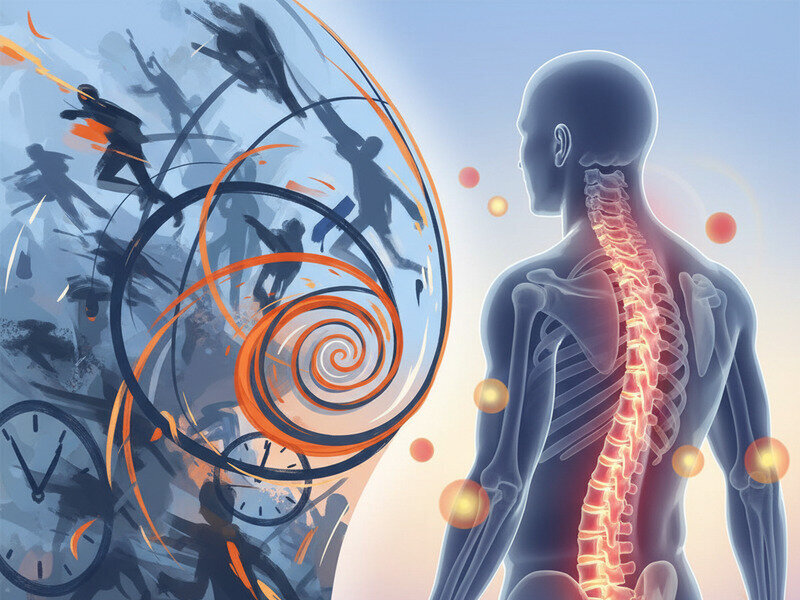
In our fast-paced world, it is not uncommon to find ourselves rushing through the day, juggling multiple tasks and responsibilities. This hurried lifestyle often leaves us feeling drained by the end of the day. But why is it that after such rushed days, we often wake up the next morning feeling worse? Understanding this phenomenon requires a closer look at how stress, sleep, and our body's physiological responses interact.
The Role of Stress in Daily Life
Stress is an inevitable part of life, but when it becomes chronic or overwhelming, it can have significant impacts on our health. When we rush through our days, our bodies respond by activating the stress response system. This involves the release of hormones such as cortisol and adrenaline, which prepare the body to handle perceived threats. While this response is beneficial in short bursts, chronic activation can lead to various health issues.
According to the American Psychological Association, prolonged stress can contribute to conditions such as anxiety, depression, and cardiovascular disease. When we experience a rushed day, our stress levels are likely elevated for extended periods, which can disrupt various bodily ...
Premium preview
Premium members unlock the full article—complete step-by-step routines, deeper coaching notes, and exclusive frameworks.