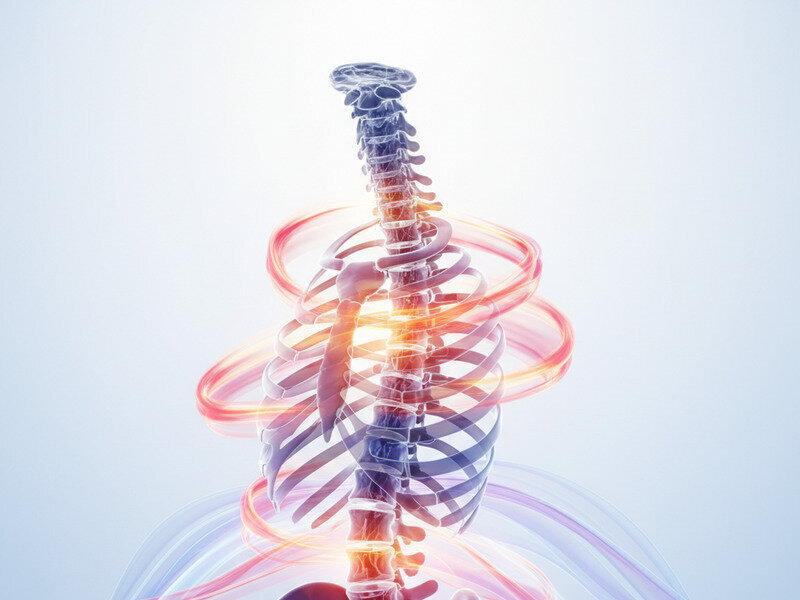
The thoracic spine, often overshadowed by its cervical and lumbar counterparts, plays a crucial role in maintaining overall spinal health and functionality. Despite its central location in the back, it is frequently overlooked in discussions about back health. Understanding the thoracic spine's structure, function, and its impact on your well-being can illuminate why it deserves more attention than it typically receives.
The thoracic spine consists of twelve vertebrae, labeled T1 through T12, situated between the cervical spine (neck) and the lumbar spine (lower back). This section of the spine is unique because it is attached to the rib cage, providing stability and protection for vital organs such as the heart and lungs. This connection to the ribs also means that the thoracic spine has less mobility compared to other spinal regions, but this stability is essential for protecting the body's core structures.
The Structure and Function of the Thoracic Spine
The thoracic spine's primary function is to support the rib cage and protect the organs within the chest cavity. Each thoracic vertebra has a pair of ribs attached, forming a protective cage around the heart and lungs. T...
Premium preview
Premium members unlock the full article—complete step-by-step routines, deeper coaching notes, and exclusive frameworks.