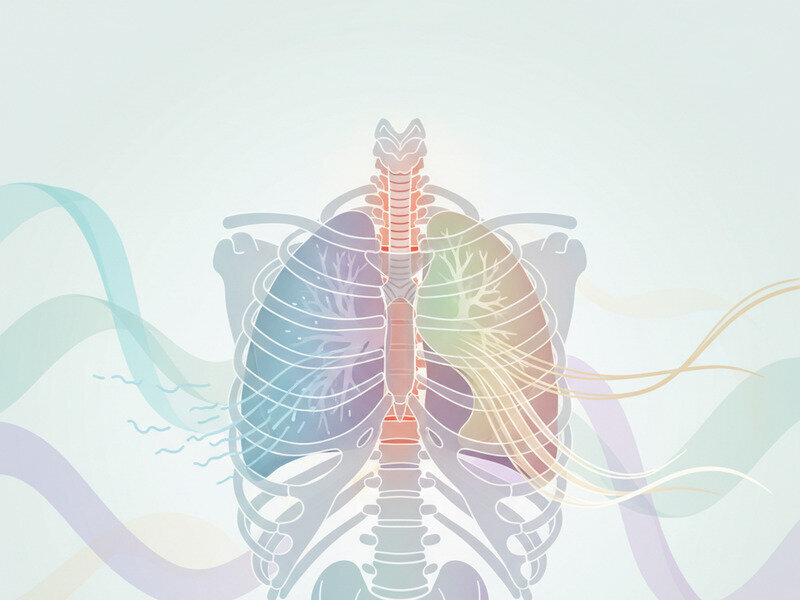
Breathing is an automatic process that most of us rarely think about. However, the way we breathe can significantly impact our health and well-being. Many people believe they are breathing deeply when, in fact, they are not. Understanding the mechanics of breathing and the difference between shallow and deep breathing can help clarify why this common misconception occurs.
At its core, breathing involves the inhalation and exhalation of air through our respiratory system. This process supplies oxygen to our body and removes carbon dioxide, a waste product of metabolism. The diaphragm, a dome-shaped muscle located below the lungs, plays a crucial role in this process. When you inhale deeply, the diaphragm contracts and moves downward, expanding the chest cavity and allowing the lungs to fill with air. However, many people predominantly use their chest muscles rather than their diaphragm, leading to shallow breathing.
The Mechanics of Breathing
To understand why many people do not breathe deeply, it is essential to explore the mechanics of breathing. Normally, during a deep breath, the diaphragm contracts and moves downward, creating a vacuum that pulls air into the lungs. Thi...
Premium preview
Premium members unlock the full article—complete step-by-step routines, deeper coaching notes, and exclusive frameworks.