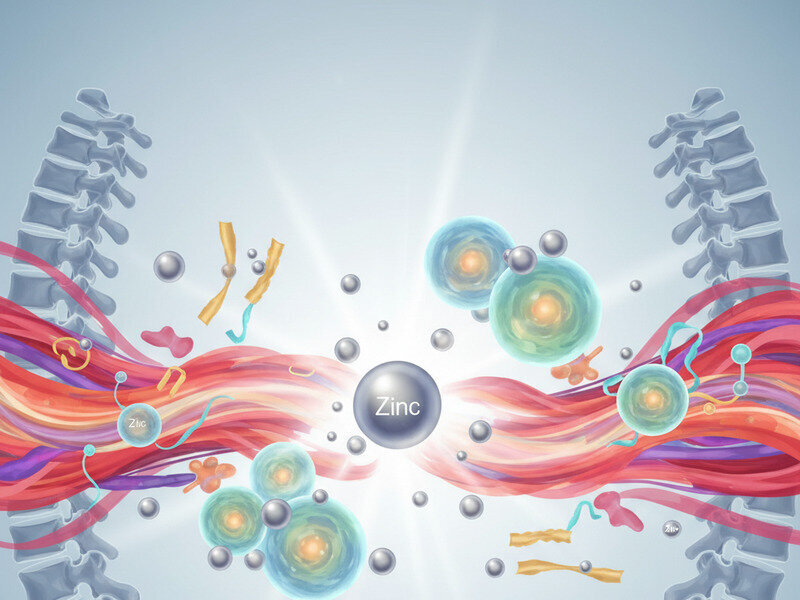
Understanding the role of zinc in immune function, particularly in the context of autoimmune conditions, requires a nuanced exploration of both zinc's biological roles and the nature of autoimmune diseases. Zinc is a trace element essential for human health, involved in numerous aspects of cellular metabolism, immune function, and protein synthesis. Autoimmune conditions, on the other hand, are characterized by the immune system mistakenly attacking the body's own cells. This article aims to elucidate how zinc influences immune function and its potential implications for autoimmune diseases.
Zinc is a vital micronutrient that plays a critical role in maintaining immune system health. It is involved in the development and function of immune cells, including neutrophils, natural killer cells, and T lymphocytes. Zinc deficiency can lead to a weakened immune response, making the body more susceptible to infections. According to the World Health Organization (WHO), zinc deficiency is a significant public health issue worldwide, affecting approximately 17% of the global population. This deficiency can impair immune function and increase susceptibility to infectious diseases.
The Rol...
Premium preview
Premium members unlock the full article—complete step-by-step routines, deeper coaching notes, and exclusive frameworks.