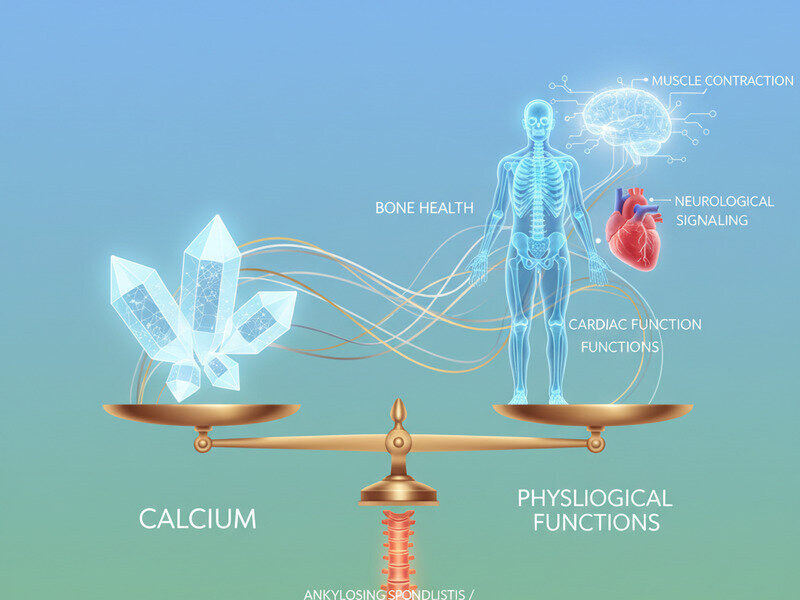
Calcium is a vital mineral that plays a crucial role in maintaining various physiological functions in the human body. It is well-known for its importance in building and maintaining strong bones and teeth, but its role extends far beyond that. Calcium is also essential for muscle function, nerve transmission, and blood clotting. The balance of calcium in the body is tightly regulated, and both excess and deficiency can lead to significant health issues. Understanding how calcium balance works and why it is critical can help us appreciate the importance of maintaining appropriate levels through diet and lifestyle.
The Role of Calcium in the Body
Calcium is the most abundant mineral in the human body, with about 99% of it stored in bones and teeth, providing structural support. The remaining 1% circulates in the blood and is involved in several critical functions. Calcium ions play a key role in muscle contraction, including the heart muscle, by facilitating the interaction between actin and myosin, which are proteins involved in muscle movement. Additionally, calcium is essential for nerve function, as it helps transmit signals between neurons by aiding in the release of neu...
Premium preview
Premium members unlock the full article—complete step-by-step routines, deeper coaching notes, and exclusive frameworks.