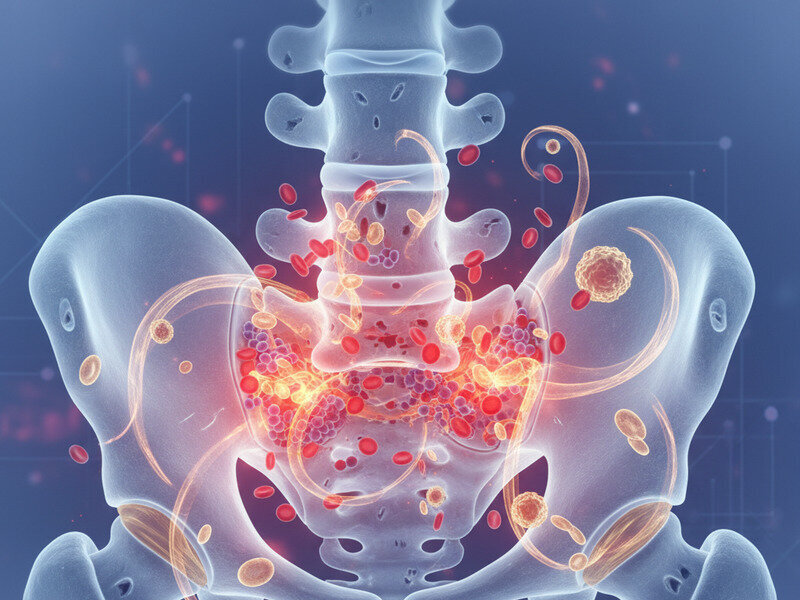
Ankylosing spondylitis (AS) is a chronic inflammatory disease primarily affecting the spine and the sacroiliac joints, leading to pain and stiffness. Understanding how inflammation begins in AS is crucial for both patients and healthcare providers as it informs treatment strategies and helps manage symptoms effectively. This article aims to unravel the complex mechanisms that initiate inflammation in AS, providing a clear and comprehensive understanding of the processes involved.
At the heart of ankylosing spondylitis is an intricate interplay between genetic predispositions, immune system dysfunction, and environmental factors. The disease is notably associated with the HLA-B27 gene, which plays a significant role in its pathogenesis. However, not everyone with this gene develops AS, indicating that other factors contribute to the onset of inflammation.
The Role of Genetics and HLA-B27
The HLA-B27 gene is part of the human leukocyte antigen (HLA) complex, which is crucial for immune system function. It helps the immune system distinguish between self and non-self entities. In AS, HLA-B27 is present in about 90% of patients, suggesting a strong genetic link. However, its ex...
Premium preview
Premium members unlock the full article—complete step-by-step routines, deeper coaching notes, and exclusive frameworks.