
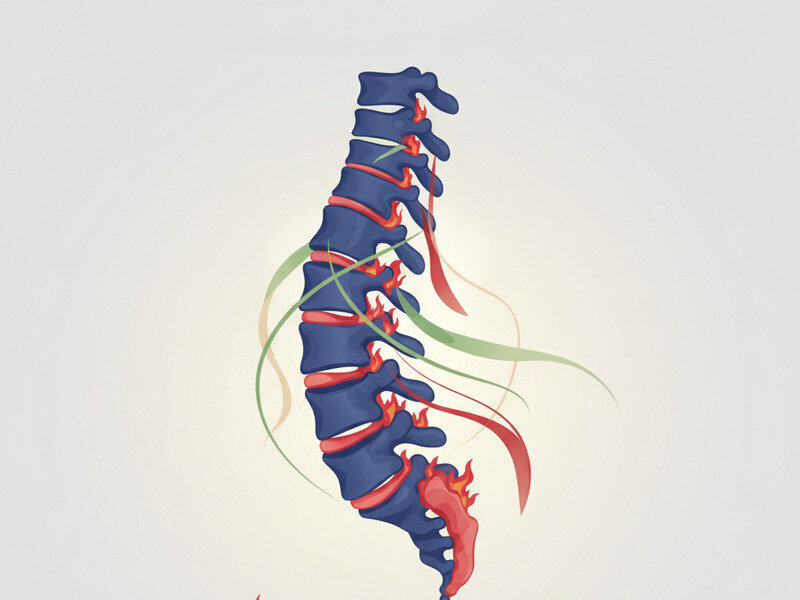
Ankylosing spondylitis (AS) is a chronic inflammatory disease that primarily affects the spine and the sacroiliac joints, leading to pain and stiffness. As an autoimmune condition, it can cause the vertebrae to fuse over time, resulting in a loss of flexibility and potentially leading to a hunched posture. Managing AS involves a delicate balance between staying active to maintain mobility and avoiding activities that could exacerbate symptoms or lead to overexertion.
Understanding how much physical activity is beneficial without crossing the threshold into overexertion is crucial for individuals with AS. This article aims to clarify the relationship between physical activity and AS, offering insights into how to maintain an active lifestyle while minimizing the risk of overexertion.
The Role of Exercise in Managing Ankylosing Spondylitis
Exercise is a cornerstone in the management of ankylosing spondylitis. Regular physical activity helps maintain joint flexibility, reduce stiffness, and improve overall physical function. According to the European League Against Rheumatism (EULAR), exercise should be tailored to individual capabilities and limitations, emphasizing low-impact activities that do not strain the joints excessively.
Engaging in exercises such as swimming, cycling, and yoga can be particularly beneficial. These activities help maintain cardiovascular health and muscle strength without placing undue stress on the spine or joints. The National Institute of Arthritis and Musculoskeletal and Skin Diseases (NIAMS) also recommends stretching exercises to improve posture and range of motion.
Identifying the Signs of Overexertion
While exercise is beneficial, it is essential to recognize when physical activity becomes too much. Overexertion can lead to increased pain, fatigue, and even injury, which can exacerbate AS symptoms and hinder long-term management. Key indicators of overexertion include persistent muscle soreness, joint pain that does not subside with rest, and extreme fatigue following exercise.
Listening to your body is crucial. If you experience any of these symptoms, it may be necessary to adjust your exercise routine. The Mayo Clinic advises individuals with AS to gradually increase their activity levels and pay attention to how their body responds, ensuring they do not push beyond their limits.
Balancing Activity with Rest
Finding the right balance between activity and rest is vital for managing AS effectively. While staying active helps manage symptoms, adequate rest is equally important to allow the body to recover. The Arthritis Foundation suggests incorporating rest days into your exercise regimen and using techniques such as heat therapy or relaxation exercises to alleviate discomfort.
Additionally, pacing yourself during activities can prevent overexertion. Breaking tasks into smaller, manageable segments and taking regular breaks can help maintain energy levels and reduce the risk of flare-ups. This approach aligns with recommendations from the American College of Rheumatology, which emphasizes individualized activity plans that consider both physical capabilities and limitations.
Consulting Healthcare Professionals
Before embarking on or modifying an exercise program, consulting with healthcare professionals is advisable. Rheumatologists, physical therapists, and other specialists can provide personalized guidance based on your specific condition and needs. They can help design an exercise plan that maximizes benefits while minimizing risks.
Regular follow-ups with healthcare providers are also essential for monitoring disease progression and adjusting treatment plans as needed. This collaborative approach ensures that you remain active within safe limits, optimizing your quality of life despite the challenges posed by AS.


