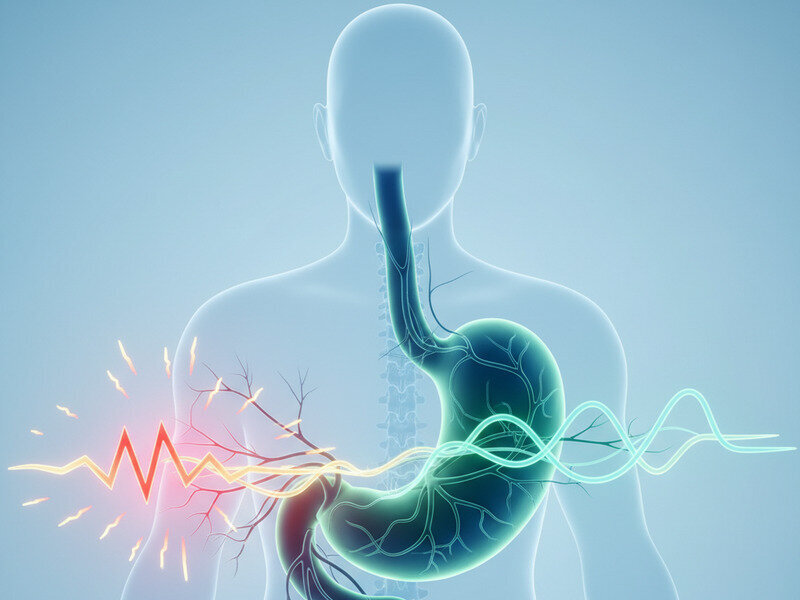
Understanding the signals your stomach sends is crucial for maintaining digestive health and preventing discomfort from escalating into pain. The stomach, a vital organ in the digestive system, communicates through various sensations that can indicate everything from hunger to potential digestive disorders. By learning to interpret these signals, you can take proactive steps to address issues before they become problematic.
The stomach is part of a complex system that includes the esophagus, small intestine, large intestine, liver, pancreas, and gallbladder. Together, these organs break down food, absorb nutrients, and expel waste. The stomach's primary role is to digest food by secreting acid and enzymes. It also acts as a temporary storage site for food before it moves into the small intestine. This process is regulated by both the nervous and endocrine systems, which can influence how you perceive sensations from your stomach.
Understanding Stomach Sensations
Stomach sensations can be broadly categorized into hunger pangs, fullness, discomfort, and pain. Hunger pangs are typically a response to an empty stomach and are triggered by contractions known as the migrating mot...
Premium preview
Premium members unlock the full article—complete step-by-step routines, deeper coaching notes, and exclusive frameworks.