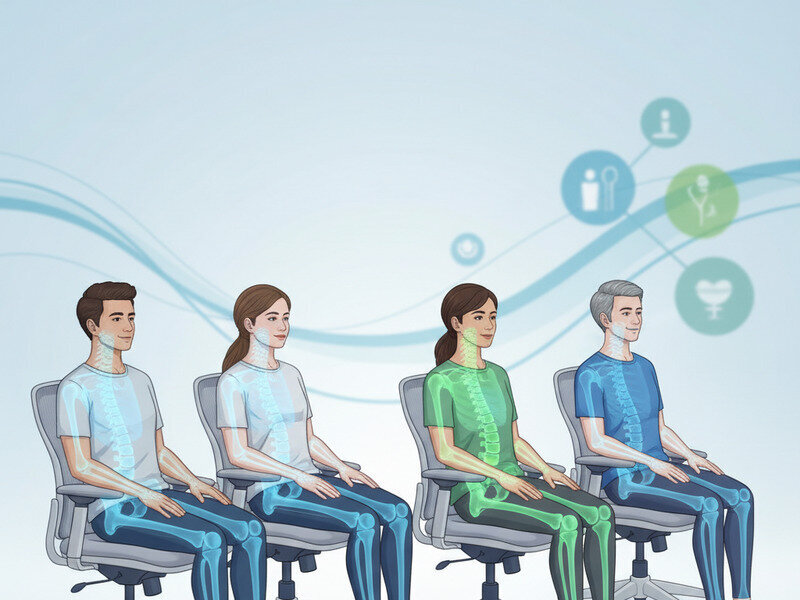
Understanding how to sit properly is crucial for maintaining good posture and reducing pressure on the lower back and hips. Many people spend a significant portion of their day sitting, whether at a desk, in a car, or at home. This prolonged sitting can lead to discomfort or even chronic pain if not managed correctly. By exploring the mechanics of sitting and identifying optimal positions, we can alleviate some of the strain placed on these critical areas of the body.
The Mechanics of Sitting and Its Impact on the Body
The human body is not designed to remain in a seated position for extended periods. When we sit, the natural curve of the spine can become distorted, leading to increased pressure on the lumbar region. This pressure can cause discomfort and exacerbate existing conditions like sciatica or herniated discs. Additionally, sitting can tighten the hip flexors, which are crucial muscles that connect the lower back to the thighs. Tight hip flexors can pull on the lumbar spine, increasing tension and discomfort.
Research has shown that sitting increases disc pressure in the spine more than standing or lying down. A study published in the journal "Spine" found that sit...
Premium preview
Premium members unlock the full article—complete step-by-step routines, deeper coaching notes, and exclusive frameworks.