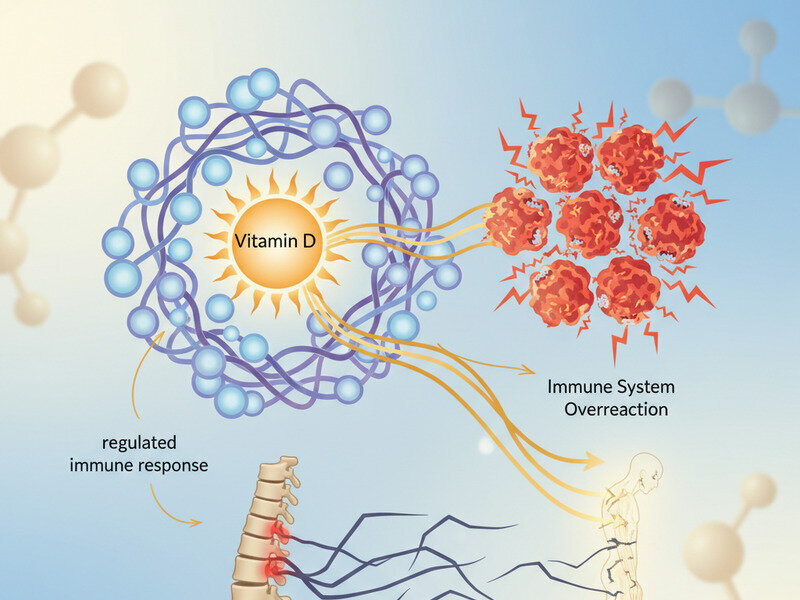
Vitamin D, often referred to as the "sunshine vitamin," is well-known for its role in maintaining bone health by aiding calcium absorption. However, its influence extends far beyond this, playing a crucial role in modulating the immune system. Understanding how vitamin D interacts with the immune system, particularly in preventing overreactions, is essential for appreciating its broader health implications.
The immune system is a complex network of cells and proteins that defends the body against infection. It must be finely tuned to respond to pathogens without attacking the body's own tissues. An overreaction of the immune system, known as an autoimmune response, can lead to conditions such as rheumatoid arthritis, lupus, and multiple sclerosis. Recent research has highlighted the potential of vitamin D to modulate immune responses, potentially reducing the risk of such overreactions.
Vitamin D and Immune Function
Vitamin D influences the immune system through its active form, calcitriol, which binds to vitamin D receptors (VDR) present on various immune cells, including T cells, B cells, and antigen-presenting cells like macrophages and dendritic cells. This binding can ...
Premium preview
Premium members unlock the full article—complete step-by-step routines, deeper coaching notes, and exclusive frameworks.