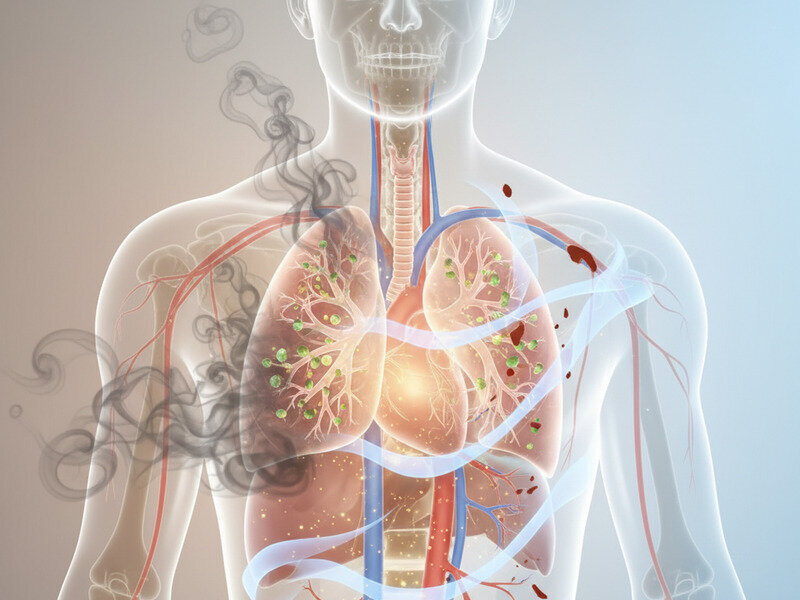
Smoking is a well-known health risk, linked to a host of diseases including lung cancer, heart disease, and chronic obstructive pulmonary disease (COPD). However, what many people may not realize is just how quickly the body begins to recover once smoking stops, even if only for a few hours. Understanding these immediate changes can provide powerful motivation for smokers considering quitting or reducing their tobacco use.
Immediate Physiological Changes
Within just 20 minutes of smoking your last cigarette, your body begins to undergo significant physiological changes. According to the American Heart Association, one of the first things to happen is a reduction in heart rate and blood pressure. Smoking causes an immediate increase in heart rate as nicotine stimulates the release of adrenaline, which in turn raises blood pressure. When you stop smoking, these levels start to normalize, reducing the strain on your cardiovascular system.
As you move into the first few hours after quitting, carbon monoxide levels in your blood begin to decrease. Carbon monoxide is a harmful gas found in cigarette smoke that binds with hemoglobin in red blood cells more effectively than oxygen ...
Premium preview
Premium members unlock the full article—complete step-by-step routines, deeper coaching notes, and exclusive frameworks.