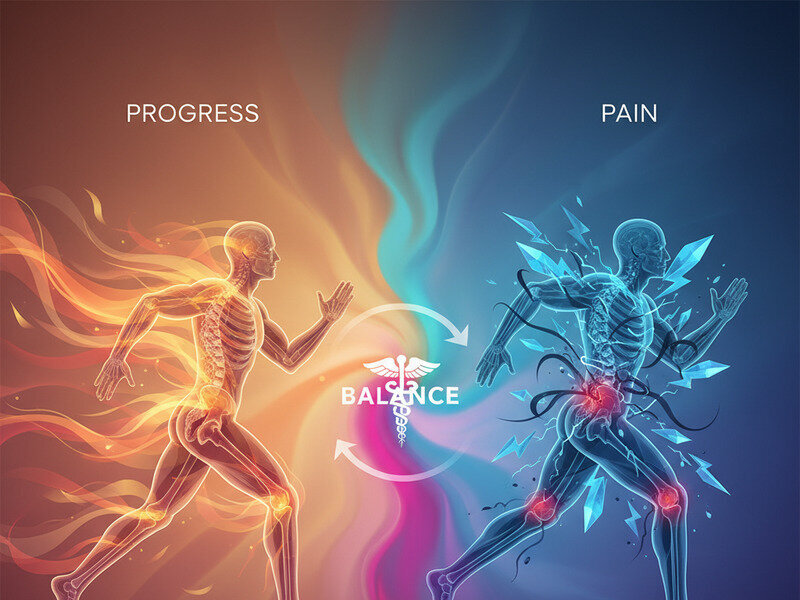
Exercise is a cornerstone of a healthy lifestyle, offering numerous benefits such as improved cardiovascular health, enhanced mood, and increased strength. However, distinguishing between the pain that signals potential injury and the discomfort that signifies progress can be challenging. Understanding this distinction is crucial for maintaining a safe and effective exercise regimen.
When engaging in physical activity, the body undergoes various physiological changes. Muscles experience micro-tears, which are necessary for growth and adaptation. This process often results in delayed onset muscle soreness (DOMS), a common and typically benign form of discomfort that occurs after unfamiliar or intense exercise. DOMS usually peaks within 24 to 72 hours post-exercise and is characterized by stiffness, tenderness, and reduced range of motion. According to the American College of Sports Medicine, this type of soreness is a normal response to increased exertion and usually resolves on its own.
Understanding Pain: Warning Signs vs. Normal Discomfort
It is essential to differentiate between normal exercise-induced discomfort and pain that may indicate injury. Pain that is sharp, sud...
Premium preview
Premium members unlock the full article—complete step-by-step routines, deeper coaching notes, and exclusive frameworks.