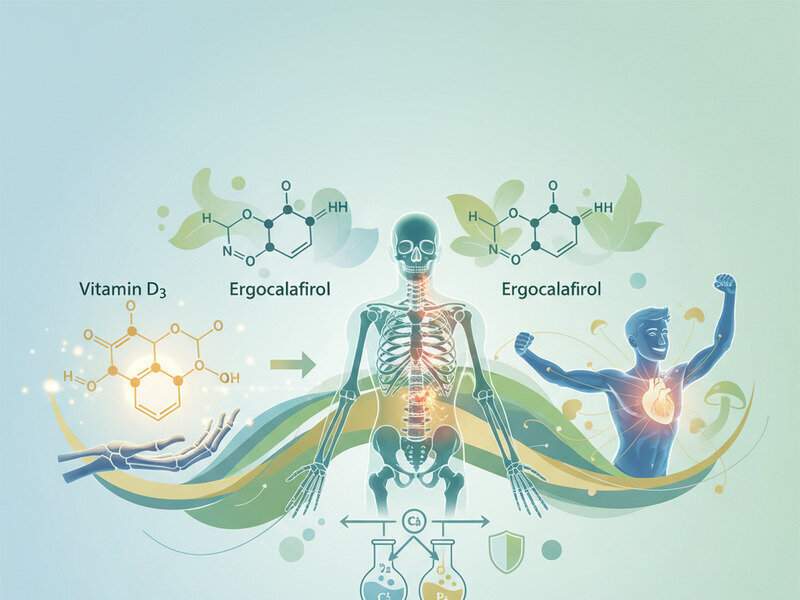
Vitamin D is an essential nutrient that plays a crucial role in maintaining bone health, supporting immune function, and regulating calcium and phosphorus levels in the body. However, not all vitamin D is created equal. The two primary forms of vitamin D are D2 (ergocalciferol) and D3 (cholecalciferol), and understanding the differences between them is key to making informed decisions about supplementation.
Vitamin D3 is the form of vitamin D synthesized by the skin when exposed to sunlight, specifically ultraviolet B (UVB) rays. It is also found in animal-based foods such as fatty fish, liver, and egg yolks. In contrast, vitamin D2 is derived from plant sources and fungi, such as mushrooms exposed to UV light. Both forms are used in supplements and fortified foods, but they have different origins and slightly different chemical structures.
Bioavailability and Efficacy
One of the most significant differences between vitamin D2 and D3 is their bioavailability, which refers to how well a substance is absorbed and utilized by the body. Research indicates that vitamin D3 is more effective at raising and maintaining overall vitamin D levels in the bloodstream. A study published ...
Premium preview
Premium members unlock the full article—complete step-by-step routines, deeper coaching notes, and exclusive frameworks.