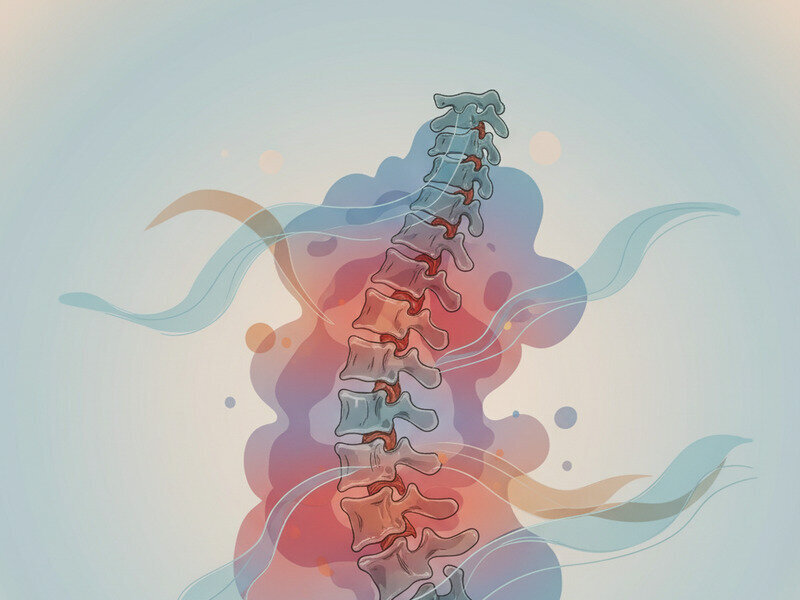
Ankylosing spondylitis (AS) is a type of inflammatory arthritis that primarily affects the spine, although other joints can also be involved. It is characterized by chronic inflammation, which can lead to pain and stiffness, particularly in the lower back and hips. Understanding when to rest and when to remain active is crucial for managing this condition effectively. This balance can help minimize symptoms and improve quality of life.
For individuals with ankylosing spondylitis, the concept of rest is not as straightforward as it might be for others. While rest is essential for recovery and managing fatigue, too much rest can lead to increased stiffness and reduced mobility. Therefore, learning to listen to your body and understanding its signals becomes a key part of managing AS.
The Role of Inflammation in Ankylosing Spondylitis
Inflammation is at the core of ankylosing spondylitis. The immune system mistakenly attacks the body's own tissues, leading to inflammation primarily in the spine and pelvis. This inflammation can cause pain and stiffness, particularly after periods of inactivity, such as waking up in the morning or after sitting for long periods.
According to t...
Premium preview
Premium members unlock the full article—complete step-by-step routines, deeper coaching notes, and exclusive frameworks.