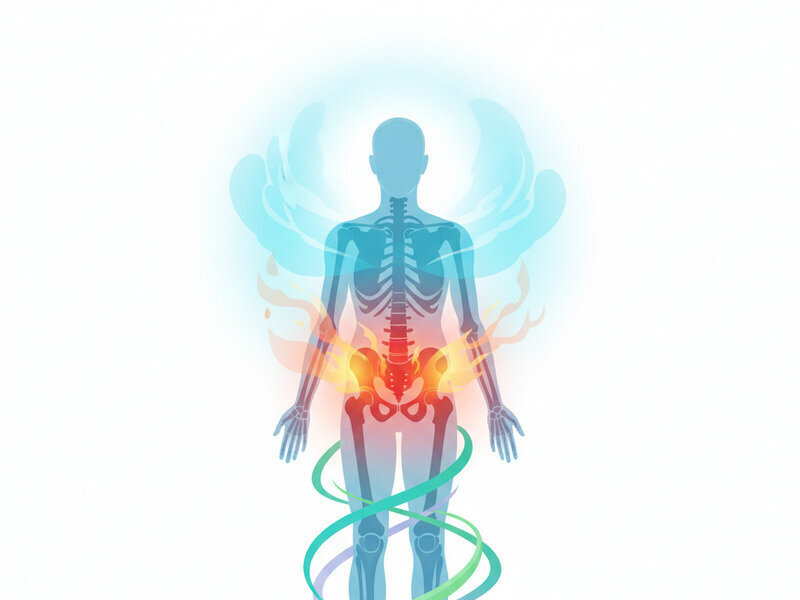
Ankylosing spondylitis (AS) is a chronic inflammatory disease primarily affecting the spine and sacroiliac joints. It can lead to pain, stiffness, and, over time, fusion of the vertebrae. Understanding when to rest and when to engage in physical activity is crucial for managing symptoms effectively. This article aims to provide a clear understanding of how to listen to your body and make informed decisions about rest.
Understanding Ankylosing Spondylitis
Ankylosing spondylitis is part of a group of diseases known as spondyloarthritis. It is characterized by inflammation that can cause new bone formation, leading to a loss of flexibility in the spine. The exact cause of AS is not fully understood, but genetic factors, particularly the presence of the HLA-B27 gene, play a significant role. According to the National Institute of Arthritis and Musculoskeletal and Skin Diseases (NIAMS), not everyone with the HLA-B27 gene will develop AS, indicating other environmental or genetic factors may also contribute.
Symptoms typically begin in early adulthood and include chronic back pain and stiffness that improve with exercise but not with rest. Over time, the inflammation can lead to ...
Premium preview
Premium members unlock the full article—complete step-by-step routines, deeper coaching notes, and exclusive frameworks.